Introduction to Sound Monitoring Devices
Sound monitoring devices are crucial tools in today’s world, where understanding and managing noise levels are increasingly important. Whether in bustling urban environments or serene rural areas, these devices help us measure and analyze the noise that surrounds us. As technology advances, the range and capabilities of these devices continue to grow, offering more precise and reliable data.
In this article, I will explore the diverse world of sound monitoring devices, which play a vital role in noise pollution management, workplace safety, and environmental monitoring. These devices are not just for professionals; they are also accessible to hobbyists and individuals concerned about noise in their surroundings. Understanding the basics of how these tools work will allow us to make more informed decisions when selecting the right device for our specific needs.
Sound monitoring devices come in various forms, each with unique features and applications. By diving into their functionalities and uses, I aim to provide a comprehensive guide that will help you choose the right tools for accurate noise measurement.
Importance of Measuring Noise Levels
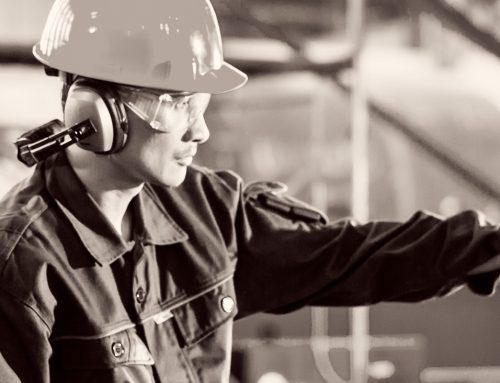
Understanding noise levels is essential for several reasons, including health, productivity, and environmental concerns. Prolonged exposure to high noise levels can lead to hearing loss, stress, and other health issues. For industries and workplaces, maintaining optimal noise levels ensures employee safety and compliance with regulations.
In residential settings, excessive noise can disrupt daily life and reduce the quality of living. Measuring noise levels allows us to identify and address sources of noise pollution, leading to a more peaceful and harmonious environment. Moreover, it aids city planners and environmentalists in creating spaces that balance development with livability.
Measuring noise is not only about mitigating negative impacts but also about optimizing environments for various activities. Concert halls, classrooms, and offices all benefit from sound monitoring to ensure acoustics are tailored to their specific needs. In essence, understanding and managing noise levels is a multifaceted task that requires the right tools and knowledge.
Types of Sound Monitoring Devices
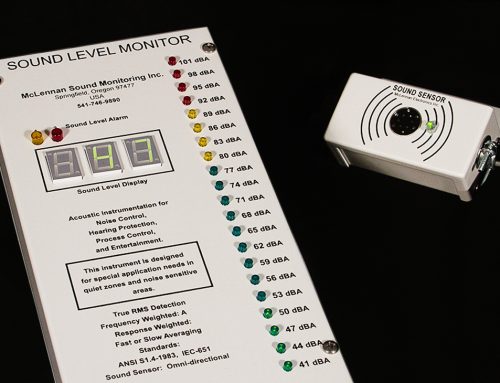
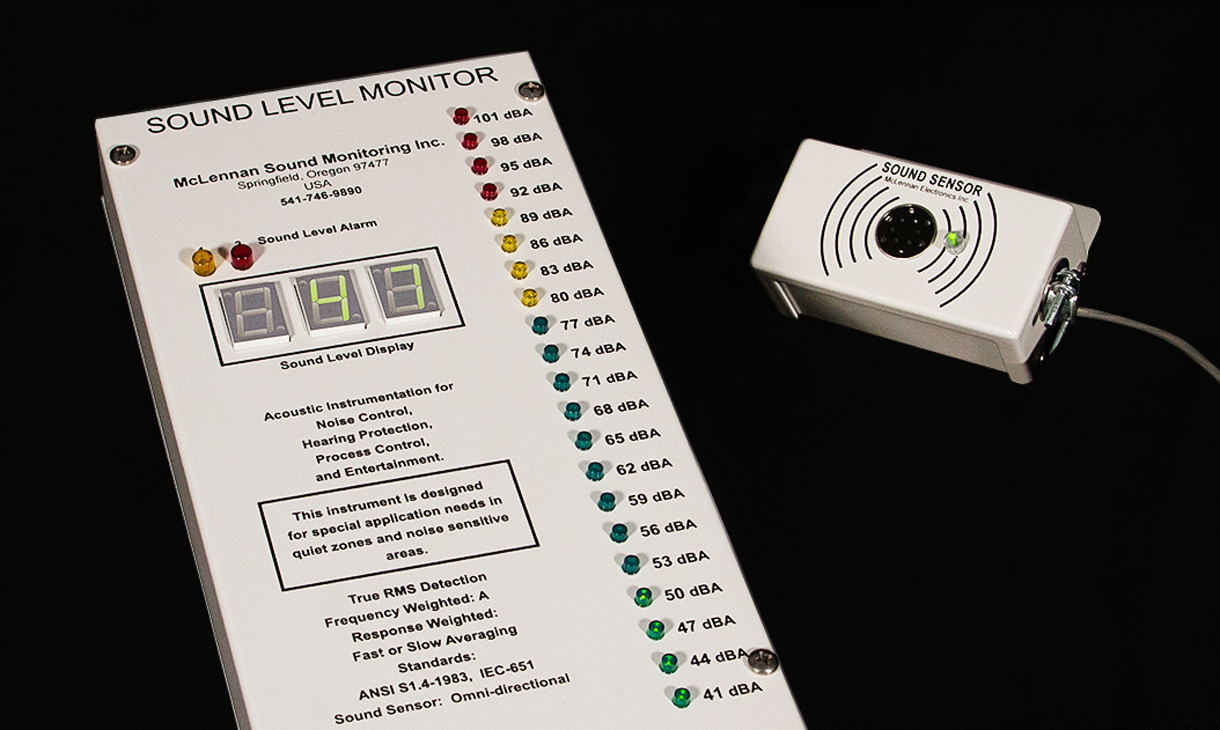
When it comes to sound monitoring devices, there are several types to consider, each designed for particular applications. The most common are sound level meters, dosimeters, and integrating sound level meters. Each of these devices offers unique capabilities that cater to specific measurement requirements.
- Sound Level Meters: These are handheld devices used to measure sound pressure levels. They are suitable for quick assessments and are often used in industries to ensure compliance with occupational noise standards.
- Dosimeters: Worn by individuals, dosimeters measure cumulative noise exposure over a period, making them ideal for workplace safety monitoring. They help in determining if an employee’s noise exposure exceeds permissible levels.
- Integrating Sound Level Meters: These devices provide a more comprehensive analysis by measuring sound levels over time and calculating average noise exposure. They are typically used for environmental noise assessments and research.
Understanding these types will help you determine which device best suits your needs, whether it’s for occupational safety, environmental monitoring, or personal use.
Key Features to Look for in a Noise Measurement Device
Choosing the right sound monitoring device involves considering several key features that will impact its effectiveness and usability. Here are some critical aspects to consider:
- Accuracy and Precision: Look for devices that offer high accuracy and precision to ensure reliable data. Calibration capabilities are also important for maintaining accuracy over time.
- Frequency Range: Different devices have varying frequency ranges. Ensure the device you choose can measure the specific frequency range relevant to your application.
- Data Logging and Analysis: Advanced devices offer data logging and analysis features, allowing you to record and review noise levels over time. This is particularly useful for long-term monitoring and reporting.
- Portability and Durability: Depending on where you plan to use the device, portability and durability might be crucial. Handheld devices are great for on-the-go measurements, while rugged designs are essential for harsh environments.
These features will guide you in making an informed choice, ensuring that the device you select is well-suited to your specific noise measurement needs.
How to Choose the Right Device to Measure Noise
Selecting the appropriate device to measure noise involves assessing your specific requirements and the context in which the device will be used. Here’s a step-by-step guide to help you make the right choice:
- Identify Your Needs: Determine why you need a sound monitoring device. Is it for occupational safety, environmental assessments, or personal interest? Your purpose will guide your choice.
- Consider the Environment: Think about where the device will be used. Indoor environments may require different features compared to outdoor settings, such as weather resistance.
- Evaluate Budget and Features: Balance your budget with the features you need. While advanced devices offer more capabilities, they may not be necessary for basic applications.
- Seek Expert Advice: If you’re unsure, consulting with experts or reading reviews can provide insights into which devices are highly recommended for your specific application.
By following these steps, you can select a device that not only meets your needs but also offers the best value for your investment.
Applications of Sound Monitoring Devices
Sound monitoring devices have a wide range of applications across various fields. They are indispensable tools in industries where noise control is crucial, such as manufacturing, construction, and entertainment. Ensuring compliance with noise regulations helps protect workers and the public from harmful noise exposure.
In environmental science, these devices play a key role in assessing noise pollution and its impact on ecosystems. Researchers use them to study the effects of noise on wildlife and human health, contributing to policies that promote sustainable development.
On a personal level, sound monitoring devices can be used to manage and improve residential environments. Whether it’s reducing noise from neighbors or optimizing home acoustics, these tools empower individuals to create more comfortable living spaces.
Best Practices for Using Noise Measurement Devices
To ensure accurate and reliable noise measurements, it’s important to follow best practices when using these devices. Here are some tips to get the most out of your sound monitoring tools:
- Regular Calibration: Periodically calibrating your device is essential for maintaining accuracy. Refer to the manufacturer’s guidelines for calibration procedures.
- Correct Positioning: Position the device correctly to capture the most accurate noise levels. This often means placing it at ear level or the height at which the noise is most relevant.
- Data Interpretation: Understand how to interpret the data collected. Different environments and applications may require specific analysis techniques to provide meaningful insights.
By adhering to these best practices, you can ensure that your noise measurements are precise and useful for your intended purpose.
Common Mistakes in Noise Measurement
Despite the availability of sophisticated tools, common mistakes can lead to inaccurate noise measurements. Being aware of these pitfalls will help you avoid them and obtain reliable data:
- Ignoring Calibration: Failing to calibrate your device regularly can lead to erroneous results. Always ensure your device is properly calibrated before use.
- Improper Device Selection: Choosing the wrong device for your specific application can result in inadequate or misleading measurements. Make sure the device’s features align with your needs.
- Environmental Interference: Failing to account for environmental factors, such as wind or temperature, can affect measurement accuracy. Consider these variables when planning your assessments.
By recognizing and addressing these common mistakes, you can improve the quality of your noise measurements and make better-informed decisions based on the data collected.
Conclusion: Making Informed Choices for Accurate Noise Measurement
In conclusion, sound monitoring devices are essential tools for managing and understanding noise levels in various settings. By choosing the right device to measure noise, we can ensure the safety, comfort, and well-being of ourselves and those around us. Whether for professional or personal use, selecting the appropriate device requires careful consideration of features, applications, and best practices.
As we have explored, the right sound monitoring device can make a significant difference in achieving accurate noise measurements. By avoiding common mistakes and following best practices, we can maximize the effectiveness of these tools.
If you’re considering investing in a sound monitoring device, contact McLennan Sound Monitoring based in Eugene, Oregon. To learn more about sound monitoring devices, visit their blog page or here. Accurate noise measurement is not just a technical necessity; it’s a step towards creating healthier and more harmonious environments.