Understanding Industrial Noise: What It Is and Why It Matters
Industrial noise is an unavoidable byproduct of many manufacturing and production processes. It encompasses the various sounds generated by machinery, equipment, and other operational activities within industrial settings. These noises can range from the low hum of a generator to the deafening roar of heavy machinery. Understanding what constitutes industrial noise is crucial for identifying its sources and addressing its impacts effectively.
The significance of industrial noise lies in its potential to affect both the health of workers and the efficiency of operations. Prolonged exposure to high levels of noise can lead to hearing loss, stress, and reduced productivity. Moreover, it can interfere with communication, increasing the likelihood of accidents and mishaps. As such, recognizing the importance of managing industrial noise is not just about compliance with regulations but also about fostering a safer and more productive work environment.
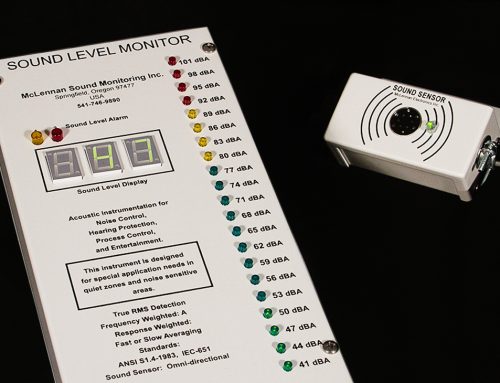
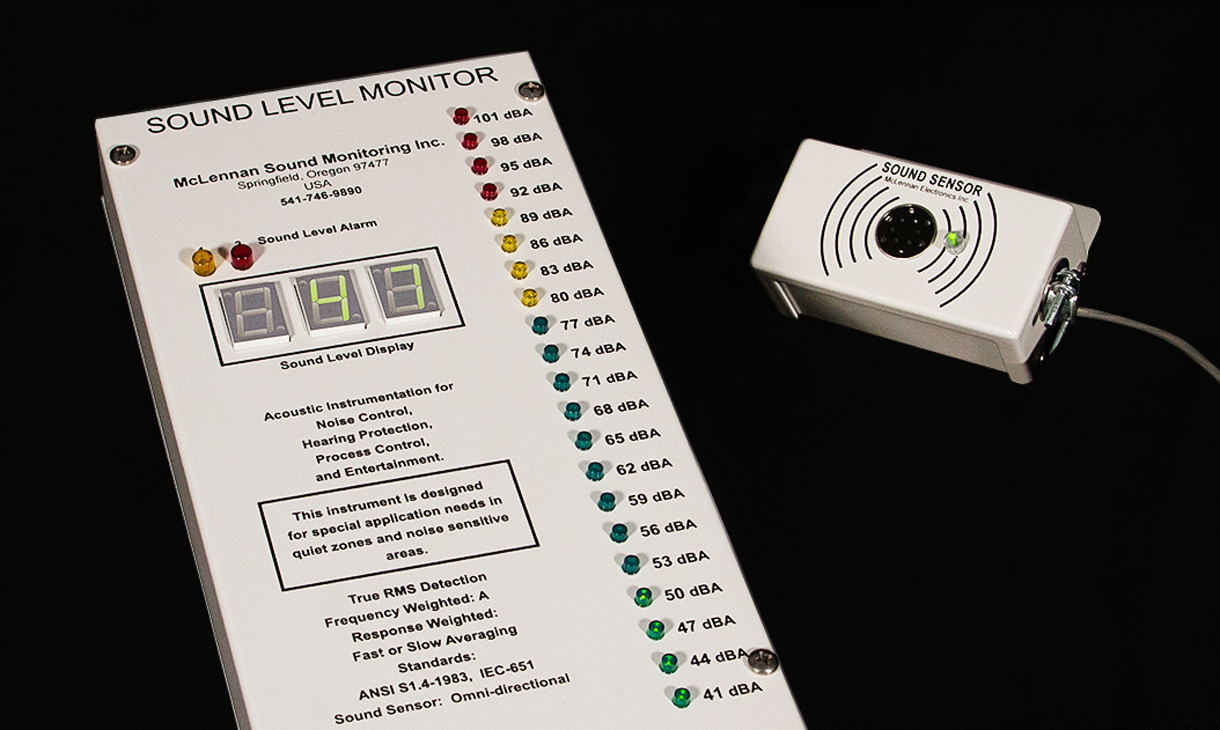
In this context, McLennan Sound Monitoring plays a pivotal role. It provides a comprehensive approach to identifying and managing noise in industrial settings. By utilizing advanced sound monitoring technologies, McLennan helps industries pinpoint sources of excessive noise and implement effective strategies to mitigate it. This proactive approach not only ensures compliance with noise regulations but also enhances overall workplace safety.
The Impact of Industrial Noise on Workplace Safety and Health
The impact of industrial noise on workplace safety and health is profound and multifaceted. Excessive noise levels can lead to a range of health issues, including temporary or permanent hearing loss, tinnitus, and increased stress levels. These health problems not only affect the quality of life of workers but also their productivity and ability to perform tasks safely.
A noisy environment can also compromise workplace safety by hindering effective communication. In industries where verbal instructions are critical, such as construction or manufacturing, the inability to hear directions clearly can lead to serious accidents. Moreover, noise-induced stress can impair concentration, increasing the likelihood of errors that could result in injuries or damage to equipment.
To mitigate these risks, implementing an effective industrial noise control strategy is essential. McLennan Sound Monitoring offers industries a robust solution for managing noise levels, thereby enhancing workplace safety and protecting worker health. By continuously monitoring sound levels and identifying areas of concern, McLennan enables timely interventions that prevent noise-related health and safety issues.
Common Sources of Noise in Industry
Identifying common sources of noise in industry is the first step toward effective noise management. Industrial environments are replete with equipment and processes that generate significant sound levels. Common sources of industrial noise include:
- Machinery and Equipment: This includes compressors, turbines, pumps, and other mechanical devices that are integral to industrial operations.
- Transportation and Logistics: Noise from forklifts, trucks, and other vehicles used for transporting goods within and outside the facility.
- Production Processes: Activities such as welding, cutting, and metal stamping are known to produce loud sounds.
- Construction Activities: Construction within industrial sites, involving drills, hammers, and other tools, adds to the noise levels.
Understanding these sources is crucial for developing targeted noise reduction strategies. McLennan Sound Monitoring helps industries identify and analyze noise sources, enabling them to prioritize interventions where they are most needed. This targeted approach ensures that noise control efforts are both efficient and effective.
The Importance of Industrial Noise Control
Industrial noise control is critical for safeguarding worker health and ensuring operational efficiency. By minimizing noise levels, industries can prevent noise-induced health problems and create a more conducive work environment. Effective noise control not only reduces the risk of hearing damage but also enhances communication and concentration among workers.
Moreover, controlling industrial noise is vital for regulatory compliance. Many countries have strict guidelines on permissible noise levels in workplaces. Failure to comply with these regulations can result in penalties and legal repercussions. McLennan Sound Monitoring assists industries in maintaining compliance by providing accurate data on noise levels and helping implement necessary corrective measures.
In addition to health and compliance benefits, noise control can lead to improved productivity. A quieter work environment reduces distractions and stress, enabling workers to focus better and perform tasks more efficiently. By investing in industrial noise control, industries can achieve a balance between safety, compliance, and productivity.
McLennan Sound Monitoring: An Overview
McLennan Sound Monitoring offers advanced solutions designed to tackle the challenges of industrial noise. It offers a comprehensive system for monitoring, analyzing, and managing noise levels in industrial settings. With state-of-the-art technology, McLennan provides real-time data on noise exposure, enabling industries to make informed decisions about noise management.
One of the key features of McLennan Sound Monitoring is its ability to provide continuous sound level data. This allows industries to track noise patterns over time and identify trends that may indicate emerging noise problems. The system’s sophisticated algorithms can distinguish between different noise sources, helping industries target their noise reduction efforts more effectively.
Furthermore, McLennan Sound Monitoring offers customizable solutions tailored to the specific needs of different industries. Whether it’s a factory, construction site, or logistics hub, McLennan provides the tools needed to address the unique noise challenges of each environment. This flexibility ensures that industries can implement noise control strategies that are both effective and sustainable.
How McLennan Sound Monitoring Enhances Workplace Safety
McLennan Sound Monitoring plays a crucial role in enhancing workplace safety by providing industries with actionable insights into noise levels. By accurately identifying areas with excessive noise, the system enables industries to take prompt corrective actions, thereby preventing potential health and safety hazards.
One of the primary ways McLennan enhances safety is through its real-time monitoring capabilities. By continuously tracking sound levels, the system alerts management to any deviations from acceptable noise thresholds. This allows for immediate interventions, such as adjusting machinery settings or providing personal protective equipment to workers, to mitigate noise exposure.
Additionally, McLennan Sound Monitoring facilitates compliance with occupational safety regulations. By providing detailed reports on noise levels, the system helps industries demonstrate adherence to legal requirements. This not only protects against liability but also fosters a culture of safety and responsibility within the workplace.
Effective Strategies for Industrial Noise Reduction
Implementing effective strategies for industrial noise reduction is essential for creating a safer and more productive work environment. Some proven strategies include:
- Engineering Controls: Modifying or replacing noisy equipment, installing sound barriers, and maintaining machinery can significantly reduce noise levels.
- Administrative Controls: Implementing shift rotations to limit exposure, scheduling noisy tasks during less busy times, and providing training on noise hazards.
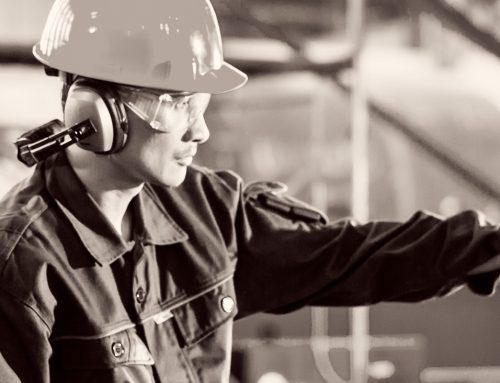
- Personal Protective Equipment (PPE): Supplying workers with earplugs or earmuffs to protect against excessive noise exposure.
McLennan Sound Monitoring supports these strategies by providing precise data on noise sources and exposure levels. This information enables industries to prioritize interventions and allocate resources effectively, ensuring that noise reduction efforts yield tangible results.
The Role of Regulations in Industrial Noise Management
Regulations play a pivotal role in industrial noise management by setting standards for permissible noise levels and outlining measures for noise control. Compliance with these regulations is not only a legal requirement but also a critical component of workplace safety.
Governments worldwide have established guidelines to protect workers from the adverse effects of industrial noise. These regulations typically specify maximum allowable noise levels and require industries to implement noise control measures. McLennan Sound Monitoring aids compliance by providing accurate and timely data on noise levels, facilitating adherence to these regulations.
In addition to national regulations, many industries adopt best practices and standards for noise management. By aligning with these standards, industries can enhance safety, improve worker satisfaction, and maintain a positive reputation. McLennan Sound Monitoring provides the data and insights needed to achieve these goals, supporting industries in their commitment to responsible noise management.
Case Studies: Successful Noise Reduction in Industries
Examining case studies of successful noise reduction in industries provides valuable insights into effective noise management strategies. These real-world examples highlight the benefits of implementing McLennan Sound Monitoring and the positive impact it can have on workplace safety.
Case Study 1: Manufacturing Plant
A large manufacturing plant faced challenges with high noise levels from its assembly line machinery. By implementing McLennan Sound Monitoring, the plant was able to identify specific machines contributing to excessive noise. The data provided by McLennan enabled targeted maintenance and adjustments, resulting in a significant reduction in noise levels and improved worker satisfaction.
Case Study 2: Construction Site
A construction company utilized McLennan Sound Monitoring to address noise complaints from neighboring communities. The system helped pinpoint noise sources and optimize work schedules to minimize disturbance. As a result, the company not only reduced noise pollution but also improved its community relations and reputation.
Case Study 3: Logistics Hub
A logistics hub implemented McLennan Sound Monitoring to manage noise from vehicle operations. By analyzing noise patterns, the hub adjusted its traffic flow and loading procedures, leading to a quieter and more efficient operation. This not only enhanced worker safety but also increased operational efficiency.
Conclusion: Embracing Sound Monitoring for a Safer Work Environment
In conclusion, understanding and managing industrial noise is essential for ensuring workplace safety and health. McLennan Sound Monitoring offers industries a robust solution for tackling the challenges of noise management. By providing accurate data and actionable insights, McLennan enables industries to implement effective noise reduction strategies, comply with regulations, and enhance worker well-being.
Embracing sound monitoring as part of a comprehensive safety program not only protects workers from the adverse effects of noise but also contributes to a more productive and harmonious work environment. As industries continue to evolve, investing in technologies like McLennan Sound Monitoring is key to staying ahead of noise challenges and fostering a culture of safety and excellence.
Explore what McLennan Sound Monitoring offers and take the first step towards a quieter, safer workplace. Contact them today to learn how we can help you enhance your industrial noise management strategy.
Check out their blog section for more information about industrial noise, sound monitoring, and more related topics here and here.