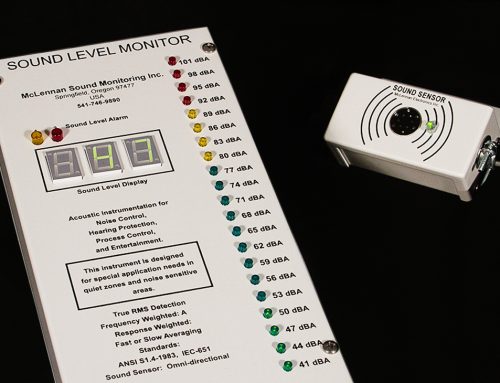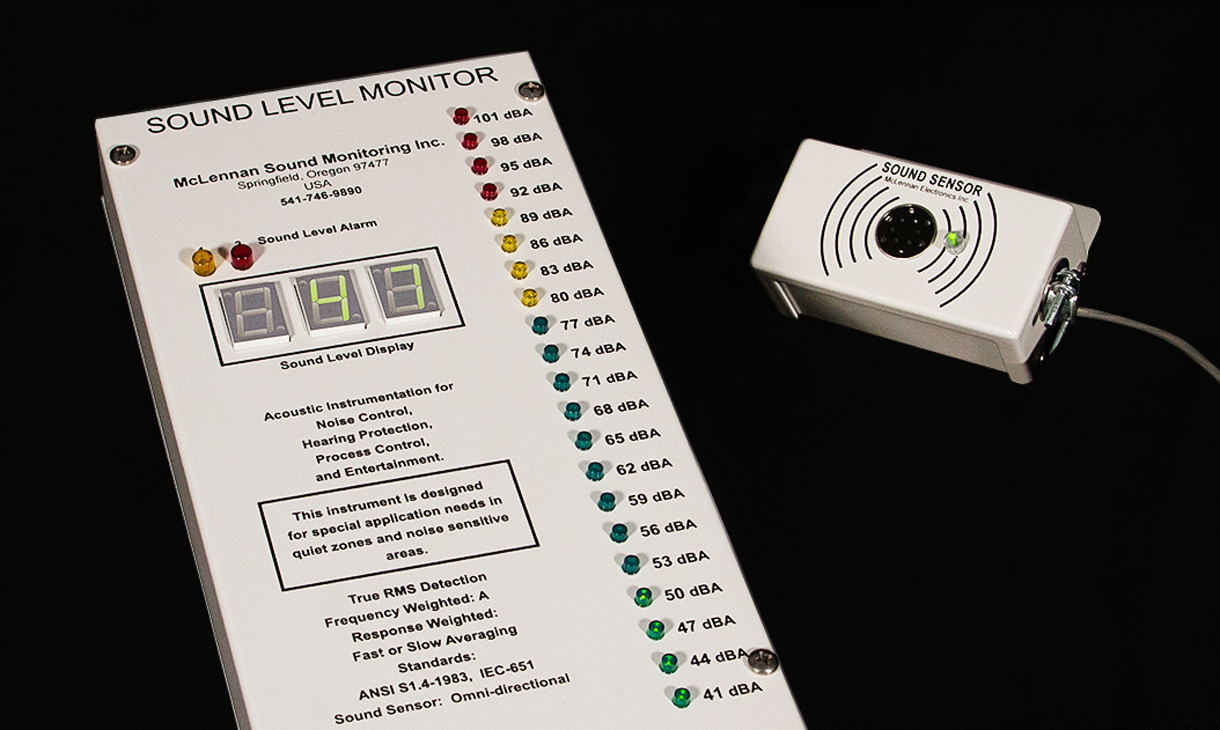
Sound level meters or sound monitoring devices are essential tools for measuring noise levels across a range of environments, from industrial settings to public spaces. Among the various classifications of sound level meters, Class 2 meters stand out for their balance of accuracy and affordability. This article will delve into the features, applications, and benefits of Class 2 sound level meters, providing you with a thorough understanding of their role in sound monitoring.
What Are Class 2 Sound Level Meters?
Class 2 sound level meters are designed to measure sound levels with a moderate degree of accuracy. They are often referred to as “general-purpose” meters, making them suitable for a wide range of applications. These meters comply with international standards, such as IEC 61672-1, which outlines the performance criteria for sound level meters.
Key Features of Class 2 Sound Level Meters
- Accuracy: Class 2 meters offer acceptable accuracy for most general applications, although they are not as precise as Class 1 meters. They are suitable for environments where extreme precision is not critical.
- Frequency Range: These meters can measure sound over a wide range, typically 20 Hz to 20 kHz. This makes them versatile for a range of sound-monitoring tasks.
- Cost-Effectiveness: Class 2 sound level meters are generally more affordable than their Class 1 counterparts, making them accessible for small businesses and individual users.
- User-Friendly Design: Many Class 2 meters feature intuitive interfaces, allowing users to operate them without extensive training.
Applications of Class 2 Sound Level Meters
Class 2 sound level meters are widely used in various fields due to their versatility. Here are some common applications:
1. Occupational Noise Monitoring
In workplaces, monitoring noise levels is crucial for ensuring employee safety and compliance with regulations. Class 2 sound monitoring devices can be used to assess noise exposure and implement necessary controls to protect workers.
2. Environmental Noise Assessment
These meters are often employed in environmental studies to measure noise pollution in urban areas, near construction sites, or around airports. They help in evaluating the impact of noise on communities and wildlife.
3. Event Sound Management
For concerts, festivals, and public events, Class 2 sound level meters are used to monitor sound levels to ensure compliance with local noise ordinances. This helps event organizers maintain a good relationship with the surrounding community.
4. Home and Building Inspections
Homeowners and inspectors use Class 2 meters to assess sound levels in residential properties. This can be particularly useful in identifying noise issues that may affect comfort and livability.
Benefits of Using Class 2 Sound Level Meters
Investing in a Class 2 sound level meter comes with several advantages:
1. Cost-Effectiveness
For many users, the affordability of Class 2 meters makes them an attractive option. They offer a good balance between performance and price, making them suitable for a wide range of applications without breaking the bank.
2. Sufficient Accuracy for General Use
While they may not offer the precision of Class 1 meters, Class 2 sound level meters provide adequate accuracy for most general applications. This makes them ideal for users who do not require extreme precision.
3. Portability and Ease of Use
Many Class 2 meters are lightweight and easy to handle. Their user-friendly interfaces allow users to take measurements quickly without extensive training.
4. Versatile Applications
The wide range of applications for Class 2 sound level meters means they can be used in various fields, from occupational safety to environmental monitoring. This versatility makes them a valuable tool for many professionals.
Choosing the Right Class 2 Sound Level Meter
When selecting a Class 2 sound level meter, consider the following factors:
1. Measurement Range
Ensure that the meter can measure the sound levels relevant to your application. Most Class 2 meters cover a range from 30 dB to 130 dB, which is suitable for most environments.
2. Features
Look for additional features that enhance usability, such as data logging, peak hold, and data transfer connectivity.
3. Compliance with Standards
Verify that the meter complies with relevant standards, such as IEC 61672-1, to ensure reliable performance.
4. Brand Reputation
Choose a reputable brand known for producing reliable sound monitoring devices. Research customer reviews and product specifications to make an informed decision.
Maintenance and Calibration of Class 2 Sound Level Meters
To ensure accurate measurements, regular maintenance and calibration of Class 2 sound level meters are essential.
1. Regular Calibration
Calibration should be performed periodically, typically once a year or as recommended by the manufacturer. This ensures that the meter maintains its accuracy over time.
2. Proper Storage
Store the meter in a protective case when not in use to prevent damage. Avoid exposing it to extreme temperatures or humidity, which can affect its performance.
3. Routine Checks
Before taking measurements, perform routine checks to ensure the meter is functioning correctly. This includes checking the battery level and ensuring the microphone is clean and unobstructed.
Conclusion
Class 2 sound level meters are invaluable tools for anyone involved in sound monitoring, from occupational safety professionals to event organizers. Their balance of accuracy, affordability, and versatility makes them suitable for a wide range of applications. By understanding their features, applications, and maintenance requirements, you can effectively use these devices to monitor sound levels and ensure regulatory compliance.
For more information on sound monitoring solutions, contact McLenn Sound Monitoring today at 541-746-989 or via email at bbmclennan@msn.com.