What is Noise Monitoring?
Noise monitoring involves the systematic measurement and analysis of sound levels in a given environment. This process is critical in understanding the noise footprint of specific areas or operations. We utilize various technologies and methodologies to capture data that informs us about noise pollution levels, helping us make informed decisions to mitigate its impact.
In essence, noise monitoring provides a comprehensive overview of sound intensity and frequency over time. By employing sophisticated equipment, such as noise monitoring devices, we can accurately record and analyze environmental noise. This data is essential for identifying sources of excessive noise and devising strategies to reduce its detrimental effects.
Effective noise monitoring is not just about measuring decibels; it’s about understanding the broader implications of sound on human health and the environment. By continuously monitoring noise levels, we can ensure compliance with regulations, protect community well-being, and enhance the quality of life in urban and industrial settings.
Importance of Noise Monitoring in Various Industries
Noise monitoring plays a crucial role in numerous industries, ensuring that sound levels remain within acceptable limits to protect workers and surrounding communities. In construction, for example, the use of heavy machinery often results in elevated noise levels. By implementing noise monitoring strategies, we can identify areas that require sound mitigation measures, ensuring compliance with occupational safety standards.
In the transportation sector, airports and railways must manage noise emissions to minimize disruption to nearby residents. Through continuous noise monitoring, we can track sound levels in real-time, enabling us to implement noise abatement procedures. This not only reduces the impact on local communities but also enhances the public perception of these industries.
The manufacturing and entertainment industries also rely heavily on effective noise monitoring. Factories and concert venues must adhere to strict noise regulations to prevent hearing damage and maintain a pleasant environment. By utilizing advanced noise monitoring devices, we can accurately assess sound levels and implement necessary interventions to maintain a balanced acoustic environment.
Types of Noise Monitoring Devices
There are several types of noise monitoring devices available, each designed to cater to specific monitoring needs. The most common devices include sound level meters, dosimeters, and noise monitoring stations. Each type of device offers unique features and capabilities, making them suitable for different applications and environments.
1. Sound Level Meters
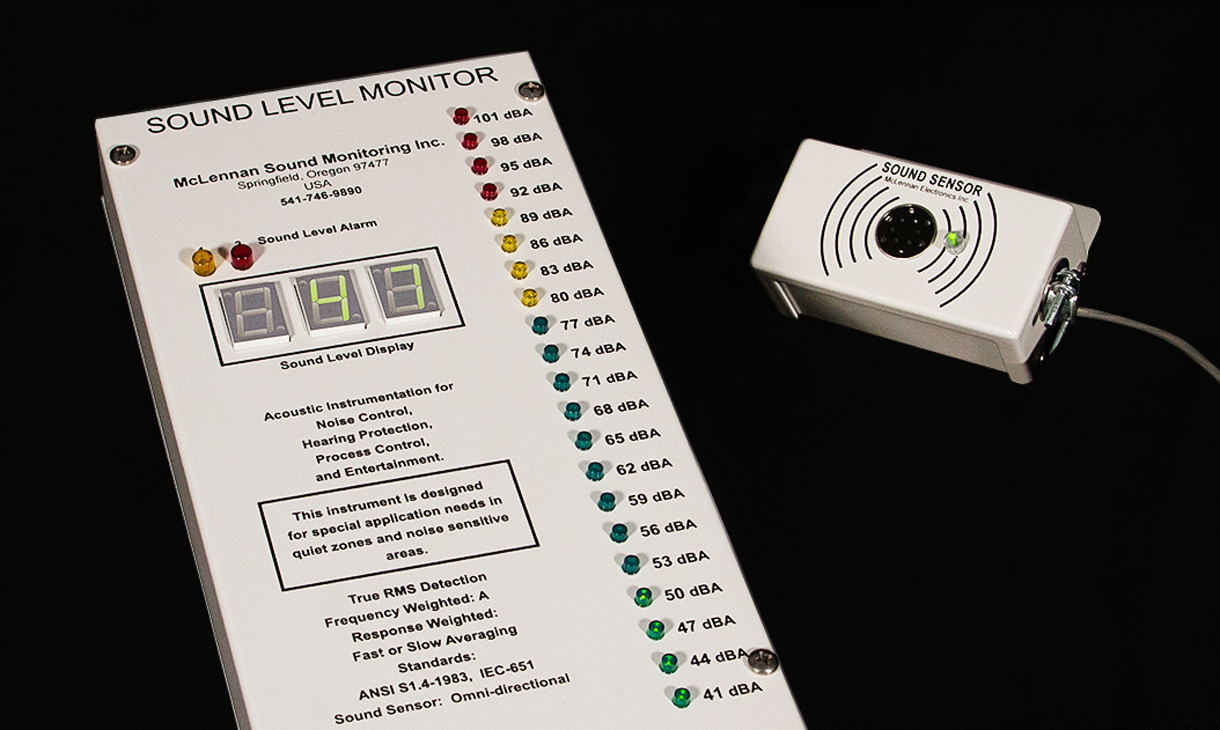
Sound level meters are portable devices used to measure sound pressure levels in decibels (dB). They are ideal for spot measurements and are commonly used in occupational health assessments and environmental noise studies. These devices are equipped with various weighting filters to simulate human hearing response, providing accurate and relevant data. For the best sound monitoring devices, contact McLennan Sound Monitoring, LLC. Visit their website here.
2. Dosimeters
Dosimeters are worn by individuals to measure their personal exposure to noise over a specific period. These devices are particularly useful in occupational settings where noise exposure needs to be monitored for compliance with safety regulations. By tracking cumulative noise exposure, dosimeters help in assessing the risk of hearing damage and implementing protective measures.
3. Noise Monitoring Stations
Noise monitoring stations are fixed installations used for continuous monitoring of noise levels in a specific area. These stations are equipped with advanced sensors and communication systems, allowing for remote data access and analysis. They are commonly used in urban planning and large-scale industrial projects to ensure ongoing compliance with noise regulations.
Key Features to Look for in a Noise Monitoring Device
Selecting the right noise monitoring device is crucial for obtaining accurate and actionable data. When evaluating potential devices, consider the following key features to ensure effective noise monitoring:
1. Accuracy and Precision
The primary function of any noise monitoring device is to provide precise measurements. Look for devices that offer high accuracy and precision, as these will ensure reliable data for analysis and decision-making.
2. Frequency Weighting
Different environments and applications require different frequency weighting options. Ensure the device supports multiple weighting scales, such as A, C, and Z, to cater to various monitoring needs. This flexibility allows us to tailor measurements to our specific requirements.
3. Data Logging and Connectivity
Modern noise monitoring devices should offer robust data logging capabilities and connectivity options. Devices with built-in data storage and wireless connectivity enable real-time data access and analysis, facilitating quicker response times and more informed decisions.
Noise Monitoring Strategies for Effective Sound Management
Developing and implementing effective noise monitoring strategies is essential for managing sound levels and mitigating noise pollution. By following a structured approach, we can achieve optimal results in noise management.
1. Identify Noise Sources
The first step in any noise monitoring strategy is identifying the sources of noise. This involves conducting thorough assessments of the environment to pinpoint areas where noise emissions are most significant. By understanding the origins of noise, we can target interventions more effectively.
2. Implement Continuous Monitoring
Continuous monitoring provides a comprehensive understanding of noise patterns over time. By deploying noise monitoring stations, we can capture data around the clock, helping us recognize trends and anomalies. This information is invaluable for developing long-term noise management plans.
3. Engage with Stakeholders
Effective noise management requires collaboration with stakeholders, including local communities, regulatory bodies, and industry partners. By engaging with these groups, we can ensure that noise monitoring efforts align with community expectations and regulatory requirements. Open communication fosters trust and encourages cooperative problem-solving.
Regulatory Standards and Compliance in Noise Monitoring
Adhering to regulatory standards is crucial in noise monitoring to ensure the safety and well-being of individuals and communities. Various international and national bodies have established guidelines for acceptable noise levels in different environments.
1. Occupational Noise Regulations
Occupational noise regulations are designed to protect workers from hearing damage and other health issues. These regulations specify permissible exposure limits (PELs) and require employers to implement noise control measures. By complying with these standards, we can safeguard workers’ health and productivity.
2. Environmental Noise Standards
Environmental noise standards focus on protecting the community and preserving the quality of life. These standards set maximum allowable noise levels for different times of the day, taking into account residential, commercial, and industrial zones. Compliance with these standards ensures a harmonious coexistence between industries and communities.
3. Compliance Monitoring and Reporting
Regular compliance monitoring and reporting are essential for verifying adherence to noise regulations. By systematically documenting noise levels and interventions, we can demonstrate our commitment to regulatory standards and community well-being. Transparent reporting builds credibility and fosters trust with stakeholders.
Benefits of Implementing Noise Monitoring Systems
Implementing noise monitoring systems offers a multitude of benefits, from improved compliance to enhanced community relations. By investing in these systems, we can achieve significant advancements in sound management.
1. Improved Compliance and Risk Management
Noise monitoring systems enable us to stay informed about sound levels and ensure compliance with regulations. This proactive approach minimizes the risk of legal penalties and enhances our organization’s reputation. By managing noise effectively, we reduce the likelihood of costly disruptions and liabilities.
2. Enhanced Community Relations
By actively monitoring and managing noise levels, we demonstrate our commitment to community well-being. This fosters positive relationships with local residents and builds trust in our organization. Open communication and transparency further strengthen these bonds, creating a supportive environment for our operations.
3. Operational Efficiency and Cost Savings
Noise monitoring systems provide valuable insights that can lead to operational improvements and cost savings. By identifying and addressing noise issues promptly, we can optimize processes and reduce waste. This efficiency translates to financial benefits, making noise monitoring a worthwhile investment.
Case Studies: Successful Noise Management Solutions
Examining real-world examples of successful noise management solutions provides valuable insights into effective strategies and their outcomes. These case studies highlight the impact of well-implemented noise monitoring systems.
1. Construction Site Noise Reduction
A major construction company implemented a comprehensive noise monitoring system across multiple sites. By continuously tracking noise levels and engaging with local communities, they were able to reduce complaints by 70%. This proactive approach not only improved community relations but also ensured compliance with local noise regulations.
2. Airport Noise Mitigation
An international airport faced significant challenges with noise pollution affecting nearby residential areas. By deploying advanced noise monitoring stations and collaborating with airlines, the airport successfully reduced noise emissions by modifying flight paths and implementing quieter operational practices. This initiative resulted in a 40% decrease in noise complaints and enhanced community satisfaction.
3. Industrial Facility Noise Control
A manufacturing facility with high noise emissions implemented a targeted noise monitoring strategy. By identifying key noise sources and investing in noise-reduction technologies, the facility achieved a 50% reduction in noise levels. This not only improved worker safety but also enhanced the facility’s reputation as an environmentally responsible operation.
How to Choose the Right Noise Monitoring Device for Your Business
Selecting the right noise monitoring device is crucial for achieving effective sound management. By considering specific business needs and environmental factors, we can make informed decisions.
1. Assess Your Monitoring Requirements
Begin by evaluating your specific monitoring needs, including the environment, noise sources, and compliance requirements. Understanding these factors will guide you in selecting a device with the appropriate features and capabilities.
2. Evaluate Device Features and Capabilities
Consider the key features of potential devices, such as accuracy, frequency weighting options, and data logging capabilities. Ensure the device aligns with your monitoring objectives and provides the necessary functionality for effective noise management.
3. Consider Long-term Support and Maintenance
Investing in a reliable noise monitoring device requires considering long-term support and maintenance. Choose a reputable manufacturer with a proven track record of providing ongoing technical support and software updates. This ensures your device remains effective and up-to-date.
Future Trends in Noise Monitoring Technology
The field of noise monitoring is continuously evolving, with emerging technologies offering new possibilities for sound management. By staying informed about these trends, we can anticipate future developments and adapt our strategies accordingly.
1. Integration with IoT and Smart Technologies
The integration of noise monitoring devices with the Internet of Things (IoT) and smart technologies is revolutionizing sound management. These advancements enable real-time data collection, analysis, and reporting, allowing for more efficient and responsive noise control measures.
2. Advanced Data Analytics and Machine Learning
The use of advanced data analytics and machine learning algorithms is enhancing our ability to predict and manage noise levels. By analyzing large datasets, we can identify patterns and trends, leading to more accurate forecasts and targeted interventions.
3. Increased Focus on Sustainability
Sustainability is becoming a key focus in noise monitoring, with an emphasis on reducing environmental impact. Future technologies will likely prioritize energy-efficient solutions and sustainable materials, aligning with global efforts to combat climate change.
Conclusion
In conclusion, noise monitoring is an essential practice for effective sound management across various industries. By implementing comprehensive strategies and utilizing advanced noise monitoring devices, we can achieve compliance, enhance community relations, and improve operational efficiency. As technology continues to evolve, staying informed about emerging trends will ensure we remain at the forefront of noise management. For more information on sound monitoring devices, visit McLennan Sound Monitoring’s blog and this blog.