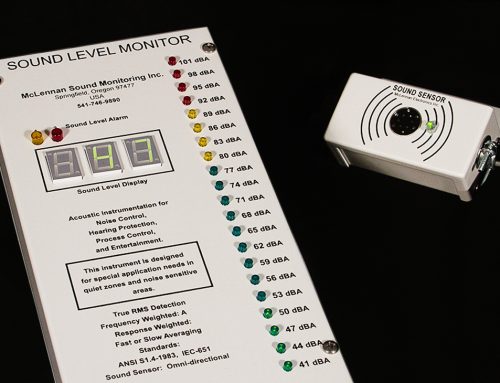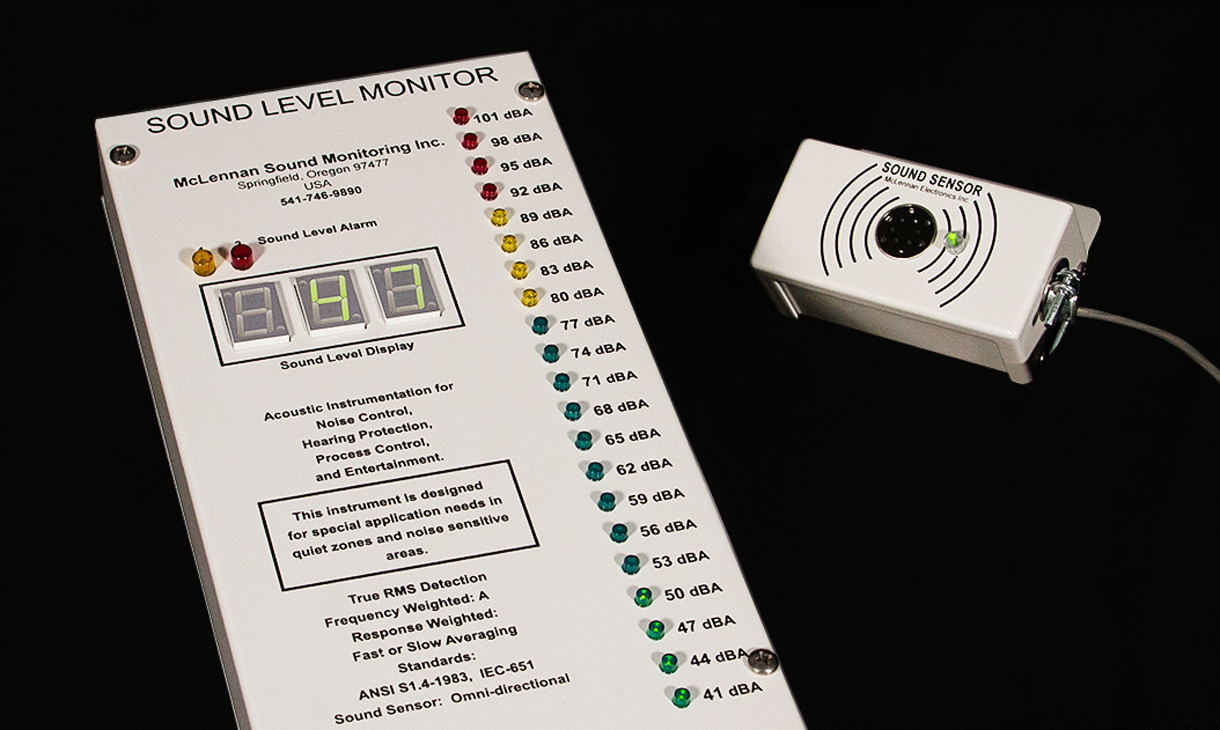
In the domain of acoustics, a dB meter, also known as a decibel meter, is an essential tool for measuring sound levels. These devices are designed to gauge the intensity of sound in the environment, expressed in decibels (dB). By translating sound pressure levels into a quantitative format, they provide us with the means to assess and manage noise in various settings.
The functionality of a dB meter revolves around its ability to convert acoustic energy into electrical signals. These signals are then interpreted and displayed as decibel levels. This process allows for precise measurement of sound intensity, which is crucial in numerous applications ranging from industrial noise monitoring to ensuring compliance with sound regulations.
Understanding how to effectively use a dB meter requires familiarity with its components and operations. Most models are equipped with a microphone, a preamplifier, and a processing unit. The microphone captures sound waves, the preamplifier boosts the signal, and the processing unit calculates the decibel level. By mastering these elements, users can accurately measure and interpret sound data in various environments.
The Importance of Accurate Sound Levels in Various Industries
Accurate measurement of sound levels is of paramount importance across several industries. For instance, in the construction sector, monitoring noise levels is critical to ensure the safety and comfort of workers and nearby residents. Adherence to noise regulations is not only a legal obligation but also a means to prevent hearing damage and enhance productivity.
In the entertainment industry, dB level meters play a vital role in maintaining sound quality during live performances and recordings. By ensuring that sound levels are within acceptable ranges, audio engineers can deliver optimal auditory experiences for audiences. This precision is essential in crafting the desired audio environment, whether it be in a concert hall or a recording studio.
Healthcare professionals also rely on sound measurement tools to assess and manage noise pollution in hospital settings. Excessive noise can hinder patient recovery and disrupt medical procedures. Utilizing dB meters helps healthcare facilities maintain a tranquil environment conducive to healing, underscoring the necessity of precise sound level monitoring across diverse fields.
How a dB Level Meter Works: The Science Behind Sound Measurement
The science behind a dB level meter is rooted in the principles of acoustics and electronics. At its core, the device operates by detecting sound pressure levels, which are then converted into electrical signals. These signals are processed and displayed as decibel values, offering a quantitative assessment of sound intensity.
To break it down, the process begins with a microphone embedded in the dB meter. This microphone captures sound waves and converts them into electrical signals through a transduction process. The signals are then amplified by a preamplifier, ensuring that even the faintest sounds can be measured accurately.
Next, the processing unit within the dB meter analyzes the amplified signals. It calculates the decibel levels by comparing the sound pressure to a reference level, typically the threshold of human hearing. This calculation results in a numerical value displayed on the meter, allowing users to evaluate sound intensity with precision.
Applications of dB Meters: Where and How They’re Used
dB meters find applications in a multitude of settings, each requiring precise sound measurement for varying purposes. In industrial environments, these meters are used to monitor machinery noise to ensure compliance with occupational health and safety regulations, protecting workers from potential hearing damage.
In urban planning, dB level meters are instrumental in assessing noise pollution levels in residential areas. By evaluating the acoustic impact of new developments, planners can implement measures to mitigate noise, enhancing the quality of life for residents. This proactive approach helps create harmonious living environments.
Academic and research institutions also utilize dB meters in studies related to environmental noise and its effects on human health. By collecting accurate data on sound levels, researchers can analyze trends, assess risk factors, and develop strategies to minimize noise-related health impacts, contributing to public health advancements.
Choosing the Right dB Meter: Factors to Consider
Selecting the appropriate dB meter for your needs involves careful consideration of several key factors. One primary consideration is the meter’s frequency range, which should align with the specific application and the types of sounds you intend to measure. A wider frequency range allows for more comprehensive sound analysis.
Another important factor is the meter’s accuracy and precision. High-quality dB meters provide detailed and reliable measurements, essential for professional applications. Look for models with a low margin of error and features that enhance measurement precision, such as data logging capabilities and real-time analysis.
Portability and ease of use are also crucial when choosing a dB meter. A compact and user-friendly design ensures that the meter can be easily deployed in various environments without extensive setup. Consider models with intuitive interfaces and clear displays for seamless operation, especially in fieldwork scenarios.
How to Use a dB Meter Effectively: A Step-by-Step Guide
Using a dB meter effectively involves following a series of steps to ensure accurate sound measurements. Begin by selecting the appropriate meter settings based on the environment and the type of sound you are measuring. Adjust the frequency weighting (A, C, or Z) to suit your specific requirements.
Next, position the dB meter at the correct distance and angle from the sound source. Holding the meter at arm’s length with the microphone unobstructed will help capture an accurate representation of the sound levels in the area. Ensure the meter is set to the correct time weighting (fast or slow) to match the desired measurement period.
Once set up, activate the dB meter and allow it to stabilize. Take multiple readings to account for fluctuations in sound levels, and record the data for analysis. By following these steps, you can achieve precise measurements and gain valuable insights into the acoustic environment.
Common Mistakes When Using a dB Meter and How to Avoid Them
Despite the straightforward operation of dB meters, users often encounter common pitfalls that can affect measurement accuracy. One frequent mistake is improper microphone placement. To avoid this, ensure the microphone is positioned correctly and free from obstructions that could skew the readings.
Another mistake involves neglecting to calibrate the dB meter before use. Calibration ensures that the device provides accurate measurements by accounting for any deviations or anomalies. Regular calibration with a certified sound level calibrator is essential for maintaining measurement integrity.
Additionally, failing to consider environmental factors, such as wind or reflective surfaces, can result in erroneous readings. To mitigate these issues, use a windscreen to protect the microphone when measuring outdoor sound levels, and choose locations that minimize reflections for more reliable results.
The Benefits of Regular Sound Monitoring with a dB Level Meter
Regular sound monitoring using a dB level meter offers numerous advantages, particularly in environments where noise levels fluctuate. Consistent monitoring allows for the early detection of sound-related issues, enabling timely interventions to prevent potential adverse effects on health and productivity.
In workplaces, regular sound assessments help maintain compliance with occupational noise regulations, ensuring a safe environment for employees. By identifying areas where noise levels exceed acceptable limits, organizations can implement corrective measures to reduce exposure and safeguard worker well-being.
Furthermore, ongoing sound monitoring contributes to improved environmental management practices. By tracking noise pollution trends over time, organizations and communities can develop effective strategies to mitigate noise impact, leading to more sustainable and livable environments.
Advanced Features of Modern dB Meters: What to Look For
Modern dB meters are equipped with advanced features that enhance their functionality and versatility. One notable feature is data logging, which allows users to store and analyze sound measurements over extended periods. This capability is invaluable for comprehensive acoustic assessments and trend analysis.
Another important feature is connectivity options, such as Bluetooth or USB, enabling seamless data transfer to computers or mobile devices. This facilitates efficient data management and reporting, streamlining the process of documenting and sharing sound measurement results.
Additionally, modern dB meters often include real-time frequency analysis, providing detailed insights into the spectral composition of sound. This information is crucial for identifying specific noise sources and understanding their impact, making it an essential tool for advanced acoustic diagnostics.
Conclusion: The Future of Sound Measurement and the Role of dB Meters
As we look to the future, the role of dB meters in sound measurement is set to expand, driven by technological advancements and growing awareness of noise-related issues. These devices will continue to be pivotal in addressing challenges related to noise pollution, occupational safety, and environmental sustainability.
Emerging technologies, such as artificial intelligence and machine learning, are poised to revolutionize sound measurement by enabling more sophisticated analysis and predictive capabilities. By integrating these technologies, dB meters will offer enhanced precision and efficiency, further cementing their importance in various industries.
In conclusion, whether you are a professional in the field of acoustics or simply interested in understanding your auditory environment, investing in a high-quality dB meter is a valuable endeavor. By unlocking the potential of sound measurement, we can create healthier, more harmonious spaces for all.
If you’re ready to take control of your sound environment, consider investing in a reliable dB meter today with McLennan Sound Monitoring, LLC. Explore our extensive range of dB meters designed to meet your specific needs and start monitoring sound levels with confidence. Visit our website for more information and make informed decisions about noise management in your space. Also, check out our blog here and here.