Industrial sound monitoring is an essential component of workplace safety that involves measuring and analyzing noise levels in various industrial settings. Our primary goal is to ensure that sound levels remain within safe limits to protect employees from potential hearing damage and other health risks. By employing advanced technologies, we can continuously monitor noise and implement necessary adjustments to maintain a safe working environment.
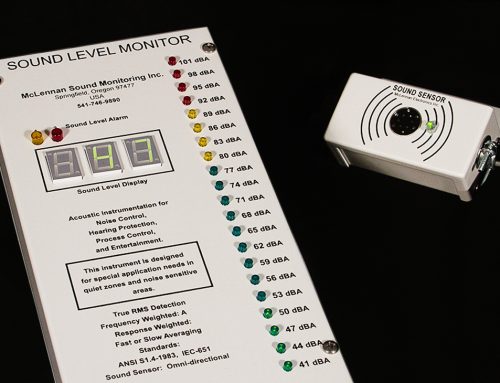
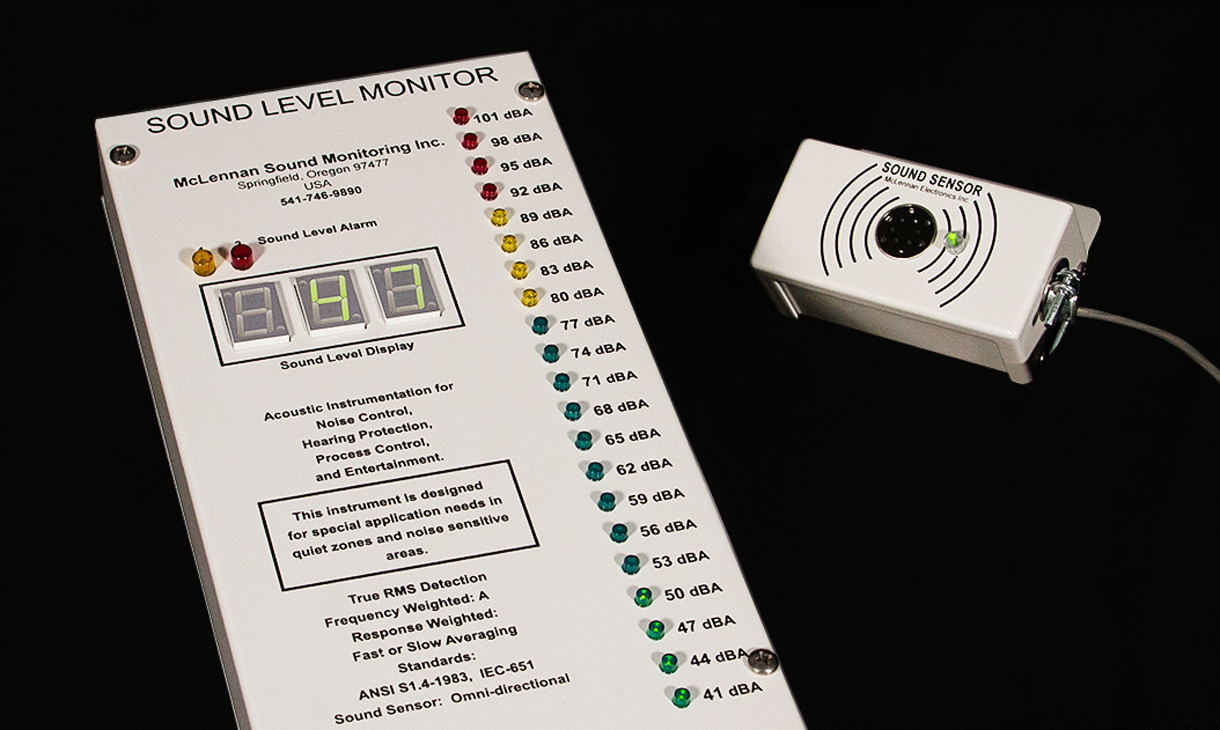
Sound monitoring systems like those developed by McLennan Sound Monitoring in Eugene, Oregon are typically equipped with sensors and devices that capture noise data throughout a facility. These systems provide real-time feedback and alerts when noise levels exceed predefined thresholds. This proactive approach enables us to address potential hazards before they develop into serious issues, fostering a safer and more productive workplace.
Moreover, understanding the nuances of industrial sound monitoring helps us comply with regulatory standards and improve overall operational efficiency. By investing in sound monitoring solutions, organizations can demonstrate their commitment to employee well-being and legal compliance, which is critical in maintaining a positive workplace culture.
The Importance of Sound Monitoring in the Workplace
The significance of sound monitoring in industrial settings cannot be overstated. Excessive noise can lead to a variety of health issues, including hearing loss, stress, and decreased concentration, all of which can adversely affect employee performance and safety. By implementing sound monitoring systems, we can mitigate these risks and create a healthier, more productive work environment.
In addition to health concerns, high noise levels can contribute to accidents and errors. Employees working in noisy environments often struggle to communicate effectively, which can lead to misunderstandings and mistakes. By maintaining optimal noise levels, we can enhance communication, reduce the likelihood of accidents, and foster a culture of safety and teamwork.
Furthermore, sound monitoring is crucial for compliance with occupational health and safety regulations. Regulatory bodies mandate specific noise limits to protect workers, and failure to adhere to these standards can result in severe penalties. By prioritizing sound monitoring, organizations can avoid costly fines and demonstrate their commitment to employee safety and welfare.
Key Benefits of Implementing Industrial Sound Monitoring
Investing in industrial sound monitoring offers numerous advantages that extend beyond mere compliance. First and foremost, it significantly reduces the risk of hearing damage among employees. Prolonged exposure to excessive noise is a leading cause of occupational hearing loss, but with sound monitoring, we can identify problem areas and implement effective noise control measures.
Another significant benefit is improved employee morale and productivity. Workers who feel safe and valued are more likely to be engaged and motivated. By actively managing noise levels, we create a more comfortable working environment, which can lead to increased job satisfaction and reduced turnover.
Lastly, sound monitoring can lead to operational efficiencies and cost savings. By identifying and addressing noise-related issues, organizations can enhance operational processes, reduce downtime, and minimize the likelihood of expensive equipment repairs. This proactive approach not only protects employees but also contributes to the organization’s bottom line.
Common Sources of Industrial Noise and Their Risks
Understanding the common sources of industrial noise is pivotal in implementing effective sound monitoring strategies. In many industrial settings, machinery and equipment generate significant noise levels. For instance, heavy machinery such as forklifts, turbines, and compressors can produce sounds that exceed safe thresholds, posing a risk to workers’ hearing.
In addition to machinery, other sources of noise include ventilation systems, alarms, and even employee conversations. While these may seem minor, their cumulative effect can lead to excessive noise levels. Identifying these sources allows us to prioritize interventions and target the most significant contributors to workplace noise.
The risks associated with industrial noise go beyond hearing damage. High noise levels can exacerbate stress, contribute to fatigue, and impair cognitive function, increasing the risk of workplace accidents. By recognizing and managing these risks, we can protect our workforce and enhance overall workplace safety.
Regulatory Standards and Compliance for Noise Levels
Compliance with regulatory standards is a critical aspect of industrial sound monitoring. Various organizations, such as the Occupational Safety and Health Administration (OSHA) in the United States, have established guidelines to protect workers from hazardous noise levels. These standards define permissible exposure limits and require employers to implement hearing conservation programs.
To comply with these regulations, we must conduct regular noise assessments and maintain records of noise levels within our facilities. This documentation not only demonstrates compliance but also helps us track progress and identify areas for improvement. By adhering to these standards, we safeguard employee health and avoid potential legal repercussions.
Moreover, staying informed about evolving regulations ensures that our sound monitoring practices remain up-to-date. As new research and technologies emerge, regulatory bodies may update their guidelines, and it is our responsibility to adapt our strategies accordingly to maintain compliance and protect our workforce.
Technologies Used in Industrial Sound Monitoring
Advancements in technology have revolutionized industrial sound monitoring, offering us a variety of tools and systems to effectively manage workplace noise. Sound level meters, dosimeters, and noise mapping software are among the most commonly used technologies in this field. These devices provide accurate and reliable data, enabling us to make informed decisions about noise control.
Sound level meters measure noise intensity in decibels (dB) and are essential for conducting periodic noise assessments. Dosimeters, on the other hand, are worn by employees to measure their personal noise exposure over a specified period. This data is critical for identifying employees at risk and implementing targeted interventions.
Noise mapping software creates visual representations of noise levels throughout a facility, allowing us to pinpoint problem areas and develop comprehensive noise control strategies. By leveraging these technologies, we can monitor noise levels continuously and adjust our practices to maintain a safe and compliant work environment.
Best Practices for Effective Sound Monitoring
To maximize the benefits of industrial sound monitoring, we must adhere to several best practices. First, it is essential to establish a comprehensive noise management plan that outlines procedures for assessing, monitoring, and controlling workplace noise. This plan should include regular noise assessments, employee training, and the implementation of engineering controls to minimize noise exposure.
Another best practice is to engage employees in the sound monitoring process. Encouraging workers to report noise-related concerns and participate in noise reduction initiatives fosters a culture of safety and collaboration. By involving employees in decision-making, we can gain valuable insights and develop more effective noise control strategies.
Finally, it is crucial to review and update our noise management practices regularly. As our facilities evolve and new technologies become available, we must adapt our strategies to ensure continued compliance and protection for our workforce. By prioritizing continuous improvement, we can maintain a safe and efficient work environment.
Integrating Sound Monitoring into Workplace Safety Programs
Integrating sound monitoring into broader workplace safety programs is vital for enhancing overall safety and health outcomes. By aligning sound monitoring efforts with existing safety initiatives, we can create a cohesive and comprehensive approach to workplace safety that addresses multiple risk factors simultaneously.
This integration involves coordinating with safety teams, conducting joint risk assessments, and sharing data to identify areas for improvement. By working collaboratively, we can develop more robust safety plans that encompass noise management, hazard identification, and employee training.
Furthermore, integrating sound monitoring into safety programs reinforces the importance of noise management within the organization. It signals to employees that noise control is a critical component of their safety and well-being, fostering a culture of vigilance and responsibility that extends beyond noise-related issues.
Case Studies: Successful Implementation of Sound Monitoring
Real-world examples of successful sound monitoring implementations provide valuable insights and inspiration for organizations looking to enhance workplace safety. One notable case is that of a manufacturing plant that reduced noise levels by 20% through strategic placement of sound-absorbing materials and equipment upgrades. This initiative not only improved employee safety but also boosted productivity and morale.
Another example involves a construction company that implemented a comprehensive noise management plan, including regular noise assessments and employee training. As a result, the company achieved full compliance with regulatory standards and significantly reduced noise-related complaints from workers.
These case studies demonstrate the tangible benefits of sound monitoring and highlight the importance of a proactive approach to noise management. By learning from these successes, we can refine our strategies and achieve similar outcomes in our own organizations.
Conclusion: The Future of Industrial Sound Monitoring
As we look to the future, it is clear that industrial sound monitoring will continue to play a critical role in workplace safety. Advances in technology, such as artificial intelligence and machine learning, hold the potential to enhance our monitoring capabilities and provide deeper insights into noise-related risks.
Moreover, as awareness of the impact of noise on health and productivity grows, organizations will increasingly prioritize sound monitoring as a key component of their safety programs. By staying ahead of industry trends and embracing innovative solutions, we can ensure that our workplaces remain safe, compliant, and conducive to employee well-being.
In conclusion, industrial sound monitoring is an indispensable tool for enhancing workplace safety. By understanding its importance, implementing effective strategies, and leveraging advanced technologies, we can protect our workforce and create a more productive and harmonious work environment. Let us commit to prioritizing sound monitoring and fostering a culture of safety and excellence in our organizations.