Protect Your Hearing from Unsafe Noise and Sound Levels
Hearing health is an essential aspect of overall well-being, yet it is often overlooked. With the prevalence of noise-induced hearing loss (NIHL) on the rise, it is crucial to understand how to protect your hearing from unsafe noise levels. This article will guide you through the various aspects of sound monitoring, the risks associated with excessive noise exposure, and practical steps you can take to safeguard your hearing.
Understanding Noise-Induced Hearing Loss
Noise-induced hearing loss occurs when the delicate structures of the inner ear are damaged due to exposure to loud sounds. This condition can develop gradually over time or result from a sudden exposure to an extremely loud noise, such as an explosion. The severity of hearing loss can vary, affecting one or both ears, and can be temporary or permanent.
How Noise Affects Hearing
The human ear is designed to process sound waves, converting them into electrical signals that the brain interprets as sound. When exposed to loud noises, the hair cells in the cochlea can become damaged. Unlike some animals, human hair cells do not regenerate, leading to irreversible hearing loss.
Common Sources of Harmful Noise
Everyday environments can expose individuals to harmful noise levels. Common sources include:
- Concerts and sporting events: These venues often exceed safe sound levels, especially near speakers.
- Power tools and machinery: Equipment such as lawnmowers, chainsaws, and construction tools can produce harmful noise levels.
- Personal audio devices: Listening to music at high volumes through headphones can lead to gradual hearing loss.
Who is at Risk?
Noise-induced hearing loss can affect anyone, regardless of age. However, certain groups are more susceptible:
- Young adults and teenagers: Many young people listen to music at high volumes, increasing their risk of hearing damage.
- Workers in noisy environments: Individuals in construction, manufacturing, and entertainment industries are often exposed to hazardous noise levels.
- Children: Young ears are particularly vulnerable, making it essential to protect their hearing from an early age.
Recognizing the Signs of Hearing Loss
Being aware of the signs of hearing loss is crucial for early intervention. Common symptoms include:
- Difficulty understanding speech, especially in noisy environments.
- A persistent ringing or buzzing in the ears is known as tinnitus.
- Frequently asking others to repeat themselves or turning up the volume on devices.
If you notice any of these signs, it is essential to consult a healthcare professional for a hearing evaluation.
The Importance of Sound Monitoring
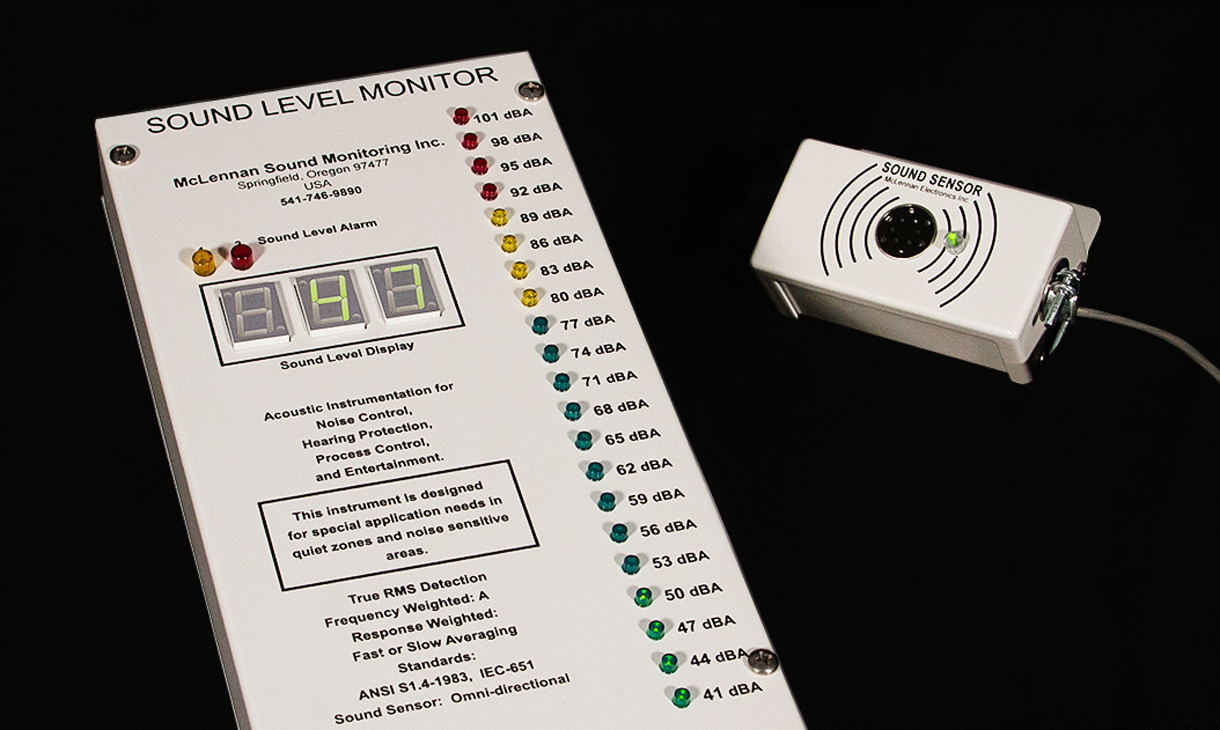
Sound monitoring is a proactive approach to managing noise exposure. By using sound-monitoring equipment, individuals can assess noise levels in their environment and take the necessary precautions to protect their hearing.
Types of Sound Monitoring Equipment
There are various tools available for sound monitoring, including:
- Sound level meters: These devices measure sound intensity in decibels (dB) and can help identify hazardous noise levels.
- Smartphone apps: Many apps can measure sound levels, providing a convenient way to monitor noise exposure in real-time.
- Personal dosimeters: These wearable devices track noise exposure over time, helping individuals understand their cumulative risk.
Practical Steps to Protect Your Hearing
Taking proactive measures to protect your hearing is essential. Here are some effective strategies:
1. Use Hearing Protection
In loud environments, wearing hearing protection is crucial. Options include:
- Earplugs: These can reduce sound levels while allowing you to hear essential sounds.
- Earmuffs: These offer greater protection and are ideal for industrial settings.
2. Monitor Your Environment
Use sound-monitoring equipment to assess noise levels in your surroundings. If you find that noise levels exceed safe limits (85 dBA), take action to reduce exposure.
3. Limit Exposure Time
The longer you are exposed to loud sounds, the greater the risk of hearing damage. Follow the 60/60 rule: listen to music at no more than 60% of the maximum volume for no longer than 60 minutes at a time.
4. Create a Quieter Home Environment
At home, consider using quieter appliances and tools. For example, choose a quieter vacuum cleaner or lawnmower to minimize noise exposure.
5. Educate Others
Raise awareness among friends and family about the importance of hearing protection. Encourage them to adopt safe listening habits and use hearing protection when necessary.
The Role of Regular Hearing Checks
Regular hearing evaluations are essential for early detection of hearing loss. If you suspect any changes in your hearing, consult a healthcare professional for a comprehensive assessment. Early intervention can significantly improve outcomes and help you maintain your hearing health.
Research and Innovations in Hearing Protection
Ongoing research focuses on understanding the mechanisms of noise-induced hearing loss and on developing innovative solutions for prevention and treatment. Some areas of exploration include:
- Gene therapy: Researchers are investigating its potential to repair damaged hair cells in the inner ear.
- Protective devices: New technologies are being developed to create more effective hearing protection devices that can filter harmful sounds while allowing safe sounds to pass through.
Conclusion
Protecting your hearing from unsafe noise levels is a vital aspect of maintaining overall health. By understanding the risks of noise exposure, using sound-monitoring equipment, and adopting proactive measures, you can safeguard your hearing for years to come. Remember, once hearing is lost, it cannot be regained, so take action today to protect your auditory health.
For personalized sound monitoring solutions, contact McLennan Sound Monitoring. Your hearing is invaluable—ensure it remains protected.