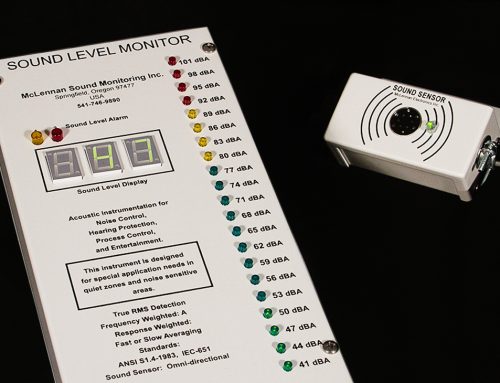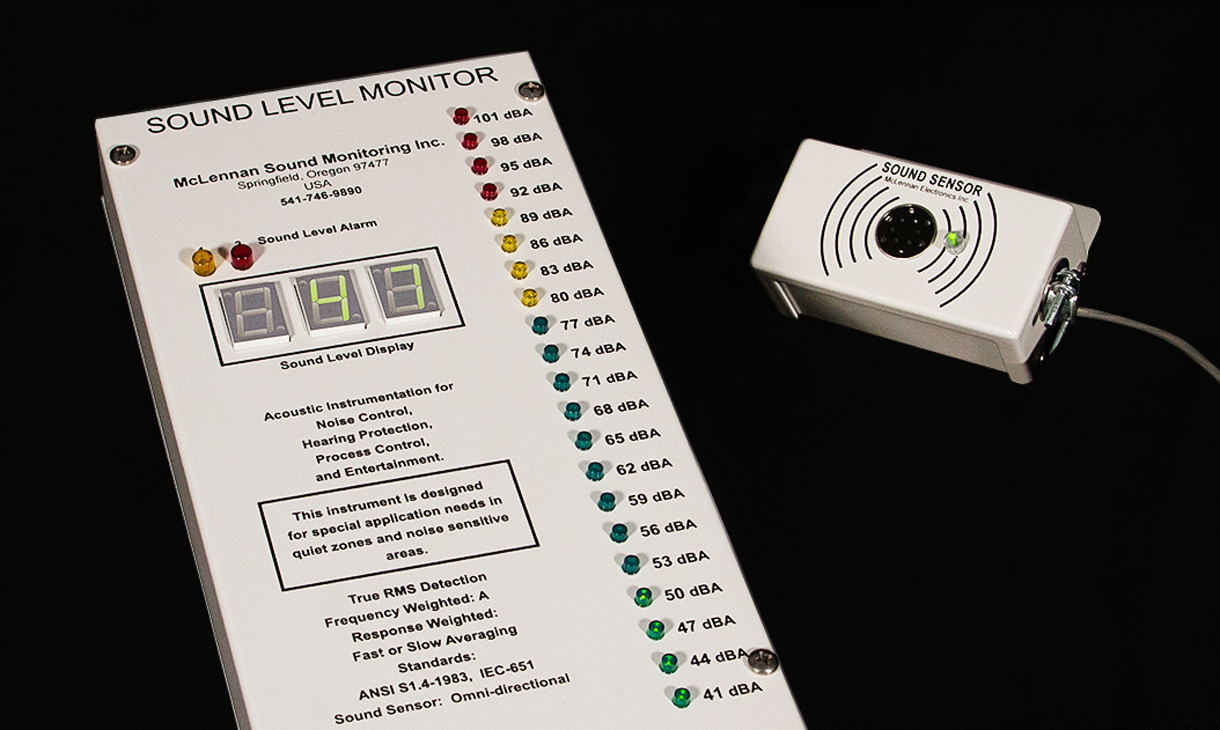
Decibel noise meters, often referred to as sound level meters, are essential instruments used to measure the intensity of sound in an environment. These devices provide readings in decibels (dB), a unit that quantifies the loudness of sound as perceived by the human ear. While they might seem like niche tools, their importance spans across various industries, from entertainment to construction and even educational settings.
In essence, a decibel noise meter captures sound pressure levels and translates them into a numerical value, allowing us to quantify how loud or quiet a particular environment is. This measurement is vital for ensuring that sound levels remain within acceptable limits, protecting human hearing, and minimizing noise pollution. Whether you’re monitoring the acoustics of a concert hall or ensuring a classroom meets safety standards, understanding how to effectively use a decibel noise meter is crucial.
The design of these meters ranges from simple handheld devices to more sophisticated models with advanced features. Regardless of complexity, the core function remains the same: to provide accurate sound level readings. Let’s delve deeper into why measuring sound levels is so important and how these devices operate.
Importance of Measuring Sound Levels
Sound levels significantly impact our daily lives, influencing everything from our hearing health to our ability to concentrate. Prolonged exposure to high noise levels can lead to serious health issues, including hearing loss, stress, and sleep disturbances. Therefore, monitoring sound levels in various environments is not just a matter of convenience but a critical health consideration.
In workplaces, especially those involving machinery or construction, maintaining safe sound levels is mandated by occupational safety regulations. These standards ensure that employees are protected from potential hearing damage due to excessive noise. Similarly, schools and educational institutions use noise level meters to create conducive learning environments, ensuring that classrooms are quiet enough for effective teaching and learning.
Moreover, controlling noise pollution is essential for environmental sustainability. Urban areas, in particular, face challenges with noise pollution from traffic, industries, and public events. By measuring and managing sound levels, we can mitigate these impacts, contributing to more livable communities. Understanding how decibel noise meters work is a step toward achieving these goals.
How Decibel Noise Meters Work
Decibel noise meters function by using a microphone to capture sound waves in the environment. The microphone converts these sound waves into electrical signals, which the device then processes to determine the sound pressure level. This level is displayed in decibels, allowing for easy interpretation of the noise intensity.
The accuracy of a noise meter depends on several factors, including the quality of the microphone and the internal processing algorithms. Advanced models may include features like frequency weighting and time weighting, which adjust the readings based on how humans perceive sound. Frequency weighting, for example, can filter out certain frequencies, providing a more accurate representation of perceived loudness.
In addition to basic sound level measurement, some decibel noise meters offer data logging capabilities. This feature allows users to record sound levels over time, providing valuable insights into noise patterns and trends. Understanding these functionalities can help users select the right meter for their specific needs, whether it’s for professional use or personal curiosity.
Types of Noise Level Meters
When it comes to noise level meters, there are several types to consider, each designed for specific applications. Understanding the differences can help you choose the right tool for your needs.
- Class 1 and Class 2 Meters: These are the most common types, with Class 1 offering higher accuracy and used for precise measurements in research or regulatory compliance. Class 2 meters, while slightly less accurate, are suitable for general use and are often more affordable.
- Integrating Sound Level Meters: These devices can measure both short-term and long-term noise exposure. They are particularly useful in environments where noise levels fluctuate significantly, providing a comprehensive view of sound exposure.
- Personal Noise Dosimeters: Designed to be worn by individuals, these devices measure the noise exposure a person receives over a period. They are essential in occupational settings where workers are exposed to varying noise levels throughout their shifts.
Each type of meter serves a specific purpose, and selecting the right one involves considering factors such as accuracy, frequency range, and the environment in which the device will be used. For educational settings, for instance, noise meters for classrooms often prioritize ease of use and affordability.
Choosing the Right Noise Meter for Classrooms
Selecting a noise meter for classroom use involves balancing precision, usability, and cost. Classrooms require a learning environment free from excessive noise, and a suitable noise meter can help maintain this atmosphere.
When choosing a noise meter for educational settings, consider the following:
- Ease of Use: The device should be simple to operate, allowing teachers or administrators to quickly check sound levels without technical expertise. User-friendly interfaces and clear displays are beneficial.
- Portability: A compact and lightweight design ensures the meter can be easily transported between classrooms or stored when not in use.
- Affordability: Budget constraints are a reality for many educational institutions. Therefore, selecting a cost-effective solution that still meets the necessary accuracy and functionality requirements is essential.
By focusing on these aspects, schools can effectively monitor sound levels, ensuring a productive learning environment for students. Additionally, implementing regular checks can preemptively address potential noise issues before they escalate.
Key Features to Look for in Noise Meters
When searching for a decibel noise meter, several key features can enhance usability and accuracy. Understanding these features can guide you to make an informed purchase, whether for professional or personal use.
- Accuracy and Precision: Look for meters with high accuracy ratings, especially if the device will be used for regulatory compliance or professional applications. Class 1 meters typically offer the highest precision.
- Data Logging: This feature allows you to record sound levels over time, which is helpful for identifying patterns or conducting long-term noise assessments.
- Frequency Weighting Options: A, C, and Z weighting options allow the meter to adjust readings based on how the human ear perceives different frequencies, providing more relevant data.
- Display and Interface: A clear, easy-to-read display and intuitive interface can significantly improve the user experience, especially for those who are not technically inclined.
Considering these factors ensures that you select a noise meter that not only meets your needs but also provides reliable and actionable data for sound management.
Applications of Decibel Noise Meters
Decibel noise meters have a wide range of applications across various fields, making them indispensable tools for anyone involved in sound management. Understanding these applications highlights the versatility and importance of these devices.
1. Occupational Health and Safety
In workplaces, particularly those with high noise levels like factories or construction sites, decibel noise meters are crucial for ensuring compliance with health and safety regulations. By regularly monitoring sound levels, companies can protect employees from hearing damage and adhere to occupational noise standards.
2. Environmental Monitoring
Noise pollution is a growing concern in urban areas. Environmental agencies use noise meters to track and manage noise pollution, helping to create more livable and sustainable cities. These measurements inform policies and regulations aimed at reducing noise levels in public spaces.
3. Acoustic Engineering and Research
In fields such as acoustic engineering, sound level meters are used to design and test spaces for optimal sound quality. Whether it’s a concert hall or a recording studio, precise measurements help engineers create environments with the desired acoustic characteristics.
These applications demonstrate the critical role decibel noise meters play in various sectors, emphasizing the need for accurate and reliable sound measurement tools.
Tips for Accurate Sound Level Measurement
Achieving accurate sound level measurements is essential for effective noise management. Here are some tips to ensure precision and reliability when using decibel noise meters:
- Calibrate Regularly: Regular calibration of the noise meter ensures that readings remain accurate. Many devices come with calibration tools or can be sent to a professional service for calibration.
- Consider Environmental Factors: Factors such as wind, humidity, and temperature can affect sound readings. When taking measurements, try to minimize the impact of these variables by choosing optimal conditions.
- Use the Correct Weighting: Choose the appropriate frequency weighting for your measurement needs. For general environmental noise, A-weighting is commonly used as it closely matches human hearing sensitivity.
By following these guidelines, you can maximize the accuracy of your sound level measurements, leading to better-informed decisions and noise management strategies.
Best Decibel Noise Meters on the Market
The market offers a variety of decibel noise meters, each with unique features and capabilities. Here’s a look at some of the top models available today:
| Brand & Model | Key Features | Price Range |
|---|---|---|
| Extech 407730 | Compact, easy-to-use, affordable | $50 – $100 |
| Brüel & Kjær Type 2250 | High precision, professional-grade | $3,000 – $5,000 |
| REED Instruments R8060 | Data logging, frequency weighting | $200 – $300 |
| PCE Instruments 322A | Integrating sound level meter | $400 – $600 |
| TENMA 72-947 | Simple design, suitable for classrooms | $100 – $150 |
These models cater to different needs, from basic classroom monitoring to detailed industrial assessments. When choosing a noise meter, consider your specific requirements, including budget, precision, and application.
Conclusion: The Role of Decibel Noise Meters in Sound Management
Decibel noise meters are more than just tools for measuring sound. They are essential instruments for managing and mitigating noise pollution, ensuring health and safety, and enhancing acoustic environments. By understanding how these devices work and their various applications, we can make informed decisions that benefit both individuals and communities.
Investing in the right noise meter is crucial for anyone involved in sound management, whether in educational, industrial, or environmental settings. As we’ve explored, these devices offer valuable insights into sound levels, enabling us to create safer and more comfortable environments.
Call to Action: If you’re looking to improve sound management in your environment, consider investing in a reliable decibel noise meter. Explore the options available and choose a model that meets your needs and budget. By doing so, you’ll be taking a proactive step towards better noise control and a healthier auditory environment.