The Importance of Sound Monitoring in Industry
In today’s industrial landscape, the significance of sound monitoring cannot be overstated. As workplaces become increasingly dynamic and complex, the need to manage noise levels effectively has emerged as a critical aspect of occupational health and safety. Sound monitoring serves not only to protect employees from the detrimental effects of excessive noise but also to enhance overall productivity and workplace morale. This article delves into the various facets of sound monitoring, exploring its importance, methodologies, and the implications of neglecting noise control in industrial settings.
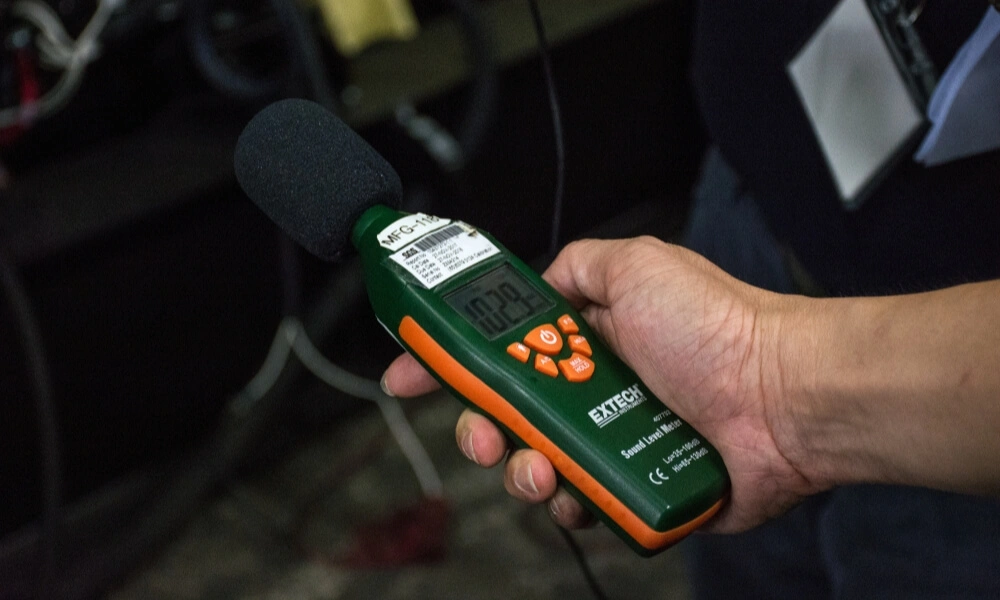
Image Source: Occupational Health and Safety Blog
Understanding Sound Monitoring
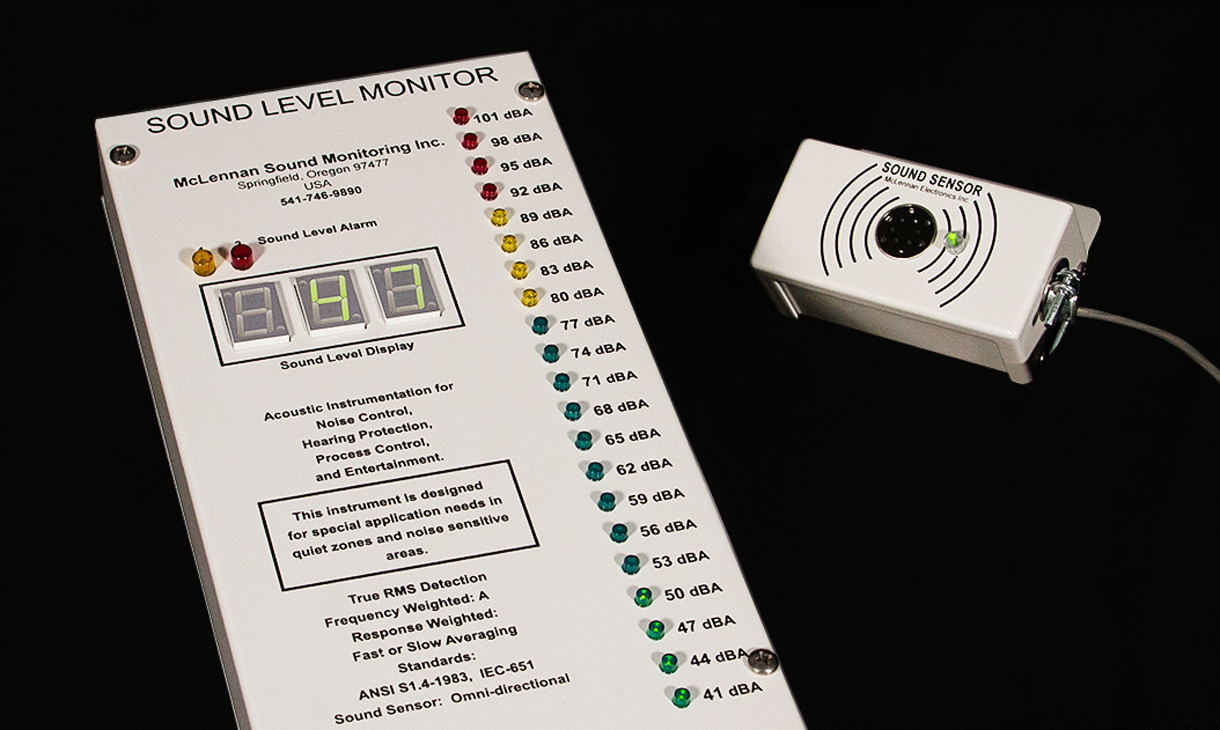
Sound monitoring refers to the systematic measurement and analysis of noise levels in various environments, particularly in industrial settings. This process involves using specialized equipment to assess sound intensity, frequency, and duration, ensuring that noise levels remain within acceptable limits.
The Role of Sound Monitoring in Occupational Health
Excessive noise exposure can lead to serious health issues, including noise-induced hearing loss (NIHL), which affects millions of workers globally. By implementing sound monitoring protocols, employers can identify hazardous noise levels and take appropriate measures to mitigate risks.
- Health Risks: Prolonged exposure to high decibel levels can damage the auditory system, leading to irreversible hearing loss. Additionally, it can contribute to stress, fatigue, and decreased job satisfaction.
- Legal Compliance: Many countries have established regulations governing permissible noise levels in the workplace. Sound monitoring helps organizations comply with these legal requirements, avoiding potential fines and legal repercussions.
The Economic Impact of Sound Monitoring
Investing in sound monitoring systems can yield significant economic benefits for organizations. By reducing noise-related health issues, companies can minimize absenteeism and healthcare costs, ultimately enhancing productivity.
- Cost Savings: Effective sound monitoring can lead to lower workers’ compensation claims and reduced turnover rates, translating to substantial financial savings.
- Enhanced Productivity: A quieter work environment fosters better communication and collaboration among employees, leading to improved efficiency and output.
Types of Sound Monitoring Equipment
To effectively monitor sound levels, various types of equipment are utilized in industrial settings. Each device serves a specific purpose and offers unique features.
Sound Level Meters
Sound level meters are handheld devices that measure sound intensity in decibels (dB). They are commonly used for general area monitoring and to identify noise sources.
- Types: There are different types of sound level meters, including Type 1 (precision) and Type 2 (general purpose). Type 1 meters are used for detailed assessments, while Type 2 meters are suitable for routine monitoring.
- Functionality: These meters can provide real-time readings, allowing employers to make immediate adjustments to reduce noise levels.
Noise Dosimeters
Noise dosimeters are wearable devices that measure an individual’s exposure to noise over time. They are particularly useful for personal monitoring in environments where noise levels fluctuate.
- Personal Monitoring: Dosimeters provide a more accurate representation of an employee’s exposure by measuring sound levels in their immediate vicinity.
- Data Collection: The data collected by dosimeters can be analyzed to determine whether noise exposure exceeds permissible limits, prompting necessary interventions.
Octave Band Analyzers
Octave band analyzers are specialized instruments used to assess the frequency distribution of sound. This information is crucial for identifying specific noise sources and determining appropriate control measures.
- Frequency Analysis: By breaking down sound into its component frequencies, these analyzers help in understanding which frequencies are most problematic and require mitigation.
- Engineering Controls: The data obtained can guide the implementation of engineering controls, such as sound barriers or acoustic treatments.
Implementing a Sound Monitoring Program
Establishing a sound monitoring program involves several key steps to ensure its effectiveness and sustainability.
Step 1: Conduct a Noise Assessment
The first step in implementing a sound monitoring program is to conduct a comprehensive noise assessment. This involves measuring sound levels across different areas of the workplace to identify high-noise zones.
- Mapping Noise Levels: Create a noise map that highlights areas with excessive noise exposure, allowing for targeted interventions.
- Identifying Sources: Determine the primary sources of noise, such as machinery, equipment, or processes, to address them effectively.
Step 2: Develop a Hearing Conservation Program
Once noise levels have been assessed, organizations should develop a hearing conservation program to protect employees from excessive noise exposure.
- Training and Education: Provide training to employees on the risks associated with noise exposure and the importance of using hearing protection.
- Personal Protective Equipment (PPE): Ensure that appropriate hearing protection devices are available and that employees are trained in their proper use.
Step 3: Implement Engineering Controls
Engineering controls are essential for reducing noise at the source. These measures can significantly lower noise levels and enhance workplace safety.
- Equipment Modification: Modify or replace noisy machinery with quieter alternatives to minimize sound emissions.
- Acoustic Treatments: Install sound-absorbing materials, barriers, or enclosures to reduce noise transmission in high-noise areas.
Step 4: Monitor and Review
Continuous monitoring is vital to ensure the effectiveness of the sound monitoring program. Regular reviews and assessments help identify any changes in noise levels or new sources of noise.
- Ongoing Measurements: Conduct periodic noise assessments to track changes and ensure compliance with established noise limits.
- Feedback Mechanism: Encourage employee feedback regarding noise levels and the effectiveness of implemented controls.
The Consequences of Neglecting Sound Monitoring
Failing to implement sound monitoring measures can have severe consequences for both employees and organizations.
Health Implications
Neglecting sound monitoring can lead to significant health issues among employees, including:
- Hearing Loss: Prolonged exposure to high noise levels can result in irreversible hearing damage, affecting employees’ quality of life.
- Increased Stress: Excessive noise can contribute to heightened stress levels, leading to decreased job satisfaction and productivity.
Legal and Financial Repercussions
Organizations that fail to comply with noise regulations may face legal and financial consequences.
- Fines and Penalties: Non-compliance with occupational noise standards can result in hefty fines and legal actions against the organization.
- Increased Insurance Costs: Higher rates of workplace injuries and illnesses can lead to increased workers’ compensation premiums.
Best Practices for Effective Sound Monitoring
To maximize the effectiveness of sound monitoring efforts, organizations should adopt best practices that promote a culture of safety and awareness.
Employee Involvement
Engaging employees in sound monitoring initiatives fosters a sense of ownership and responsibility.
- Training Programs: Implement regular training sessions to educate employees about noise hazards and the importance of sound monitoring.
- Feedback Channels: Establish channels for employees to report noise-related concerns and suggest improvements.
Regular Maintenance of Equipment
Ensuring that sound monitoring equipment is well-maintained is crucial for accurate measurements.
- Calibration: Regularly calibrate sound level meters and dosimeters to ensure their accuracy and reliability.
- Routine Checks: Conduct routine inspections of monitoring equipment to identify any issues that may affect performance.
Collaboration with Experts
Collaborating with noise control experts can enhance the effectiveness of sound monitoring programs.
- Consultation Services: Seek assistance from professionals who specialize in noise assessment and control to develop tailored solutions for specific workplace challenges.
- Industry Best Practices: Stay informed about industry best practices and advancements in sound monitoring technology to continuously improve monitoring efforts.
The Future of Sound Monitoring in Industry
As technology continues to evolve, the future of sound monitoring in industrial settings looks promising. Innovations in sound monitoring equipment and data analysis techniques are paving the way for more effective noise management strategies.
Advancements in Technology
Emerging technologies are enhancing the capabilities of sound monitoring systems.
- Smart Sensors: The integration of smart sensors and IoT devices allows for real-time monitoring and data collection, enabling proactive noise management.
- Data Analytics: Advanced data analytics tools can provide insights into noise patterns and trends, facilitating informed decision-making.
Regulatory Changes
As awareness of noise-related health issues grows, regulatory bodies are likely to implement stricter noise regulations.
- Increased Standards: Organizations must stay abreast of evolving regulations and adapt their sound monitoring programs accordingly to ensure compliance.
- Proactive Measures: By adopting proactive sound monitoring strategies, organizations can not only meet regulatory requirements but also foster a safer and healthier work environment.
Conclusion
Sound monitoring is an essential component of workplace safety and health in industrial settings. By effectively managing noise levels, organizations can protect their employees from the harmful effects of excessive noise, enhance productivity, and ensure compliance with legal regulations. Implementing a comprehensive sound monitoring program, utilizing advanced technologies, and fostering a culture of safety will pave the way for a healthier and more efficient workplace.
For more information on sound monitoring solutions, contact McLennan Sound Monitoring at mclennansound.com.