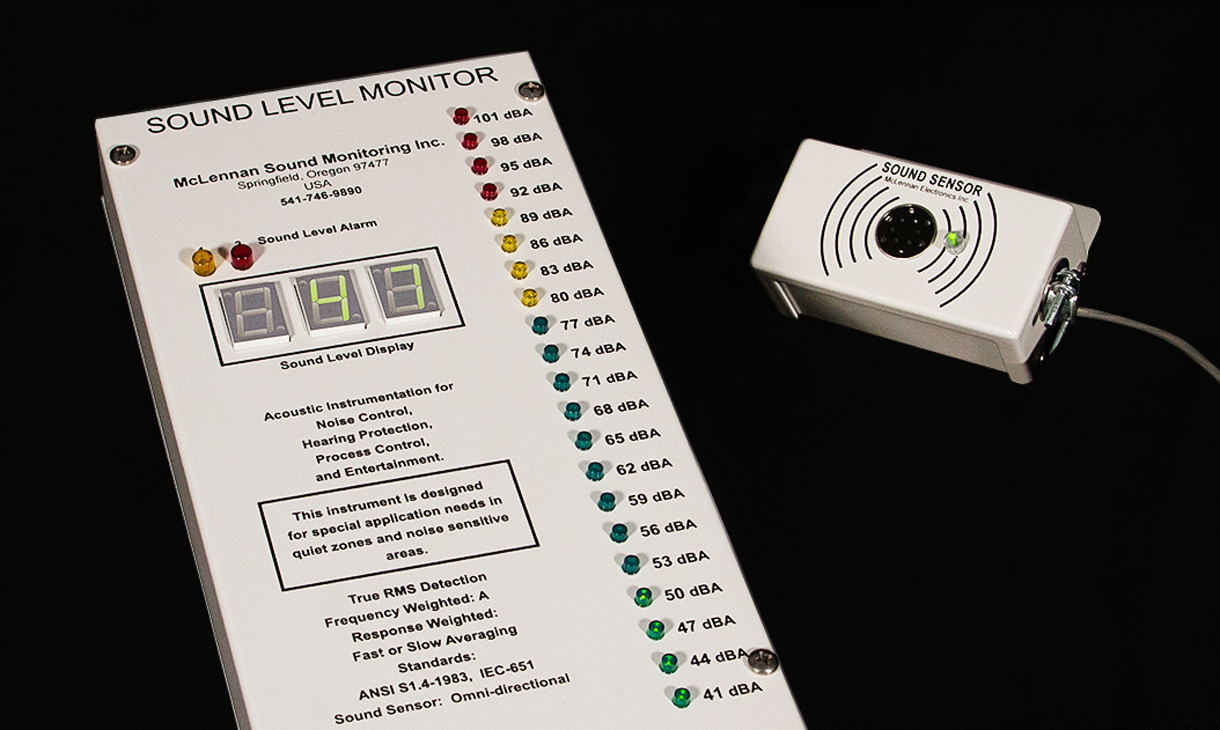
In today’s fast-paced industrial environments, maintaining a safe and healthy workplace is paramount. One critical aspect often overlooked is the management of noise levels. Excessive noise can lead to health issues such as hearing loss and increased stress among employees. This is where industrial sound level monitors come into play. These devices are designed to measure and record noise levels, ensuring they remain within safe limits.
Sound level monitors are essential for any industry where machinery and equipment generate significant noise. They provide accurate readings of sound intensity, helping organizations adhere to occupational safety regulations. These devices are not only a legal requirement but also a tool for enhancing overall workplace productivity and morale.
Investing in the best industrial sound level monitors is not just about compliance; it’s about creating a safer, more comfortable working environment. By accurately assessing and managing noise levels, companies can prevent potential health issues and improve employee satisfaction. In this article, we will explore the top options available and discuss how they can benefit your workplace.
Importance of Sound Level Monitoring in the Workplace
Monitoring sound levels in industrial settings is crucial for several reasons. Firstly, it helps in preventing hearing damage, one of the most common occupational hazards. Prolonged exposure to high noise levels can lead to irreversible hearing loss, affecting both personal and professional life. By keeping noise within safe limits, employees can work without the fear of long-term health issues.
Secondly, maintaining optimal sound levels enhances communication among team members. In noisy environments, verbal communication can become challenging, leading to misunderstandings and errors. Sound level monitors ensure that noise does not impede effective communication, thereby improving operational efficiency and safety.
Lastly, sound level monitoring is vital for legal compliance. Governments and regulatory bodies have set specific noise limits to ensure worker safety. Failure to comply with these regulations can result in hefty fines and legal complications. By utilizing sound level monitors, businesses can consistently meet these standards, avoiding potential legal issues and fostering a culture of safety.
Key Features to Look for in Sound Level Monitors
When selecting the best industrial sound level monitors, certain features are essential for effective noise management. Here are the key aspects to consider:
- Accuracy: The monitor should provide precise measurements across various environments. High accuracy ensures that noise levels are constantly maintained within safe limits.
- Durability: Industrial settings are often harsh, with dust, moisture, and vibrations. The sound level monitor should be robust and able to withstand these conditions without compromising functionality.
- Ease of Use: User-friendly interfaces and straightforward operation are critical. Employees should be able to operate the device with minimal training, allowing for quick and efficient noise monitoring.
- Data Logging: Advanced monitors come equipped with data logging capabilities, storing noise data for analysis. This feature allows for continuous tracking and assessment of noise trends over time.
- Integration: Modern sound monitors should easily integrate with existing safety systems, providing a holistic approach to workplace safety.
By prioritizing these features, organizations can ensure they are investing in equipment that will effectively manage and monitor workplace noise, enhancing both safety and productivity.
Top 5 Best Industrial Sound Level Monitors
In this section, we present the top five industrial sound level monitors renowned for their performance and reliability:
- Extech SL130G: Known for its precision and ease of use, this monitor is perfect for continuous noise measurement in both indoor and outdoor settings. It features a large display and robust data logging capabilities.
- Casella CEL-240: This device offers a compact design with advanced features, including real-time octave band analysis. It’s suitable for a variety of industrial applications, providing accurate noise assessments.
- 3M Quest SoundPro SE/DL: With its dual-channel design, this monitor excels in complex environments where multiple noise sources are present. It offers comprehensive data logging and analysis options.
- Rion NL-52: This sound level meter is highly regarded for its durability and long battery life, making it ideal for extended monitoring sessions. It includes a range of measurement functions for detailed noise evaluation.
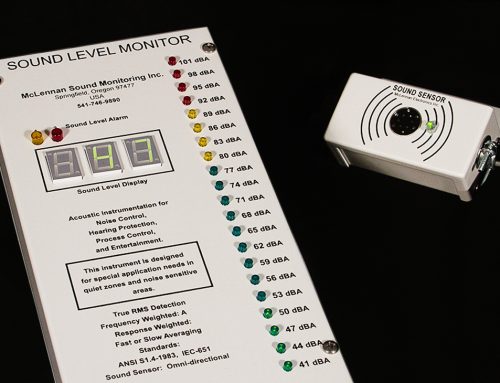
- Mclennan Sound Monitoring Devices: Offering a blend of innovative technology and user-friendly design, Mclennan devices are tailored for various industrial applications. They provide accurate measurements and seamless integration with workplace safety systems.
These sound level monitors are industry leaders, offering various features to cater to different industrial needs. Selecting the right one depends on specific requirements and operational environments.
In-Depth Review of Mclennan Sound Monitoring Devices
Mclennan sound monitoring devices have carved a niche in the market for their reliability and precision. As a pioneer in noise monitoring technology, Mclennan offers devices that are both innovative and user-centric. These monitors are designed to be highly adaptable, catering to diverse industrial environments.
One of the standout features of Mclennan sound monitors is their precision. They deliver accurate noise readings, ensuring that workplace environments remain within safe sound levels. This accuracy is crucial for industries where even slight variations in noise can affect product quality and worker safety.
Mclennan devices also boast exceptional durability. Built to withstand harsh industrial conditions, these monitors continue to function optimally even in environments with high dust, moisture, or temperature fluctuations. This resilience ensures long-term reliability, making them a worthwhile investment for any organization.
In terms of usability,Mclennan sound monitors are designed with the end-user in mind. They feature intuitive interfaces, allowing for easy operation and minimal training requirements. This user-friendliness ensures that employees can quickly adopt the technology, integrating it seamlessly into their daily routines.
Comparing Sound Monitoring Devices: Pros and Cons
When evaluating sound monitoring devices, it is essential to weigh their pros and cons to make an informed decision. Here’s a comparison table to help you understand the strengths and weaknesses of each:
| Device | Pros | Cons |
|---|---|---|
| Extech SL130G | High precision, easy to use, robust data logging | May be overkill for small-scale operations |
| Casella CEL-240 | Compact, real-time octave analysis, versatile applications | Limited battery life under continuous use |
| 3M Quest SoundPro SE/DL | Dual-channel, comprehensive data logging | Higher price point |
| Rion NL-52 | Durable, long battery life, multiple measurement functions | Interface may be complex for beginners |
| McLennan Sound Monitoring | Innovative, highly adaptable, user-friendly | Initial setup can be time-consuming |
By considering the advantages and drawbacks of each device, businesses can select the most appropriate sound monitoring equipment tailored to their specific needs and budget.
How to Choose the Right Noise Measuring Device for Your Needs
Selecting the right noise measuring device involves considering several factors to ensure it meets your specific requirements. Here are some steps to guide your decision-making process:
- Identify Your Needs: Determine the primary purpose of the sound monitoring device in your workplace. Are you looking for continuous noise monitoring, or do you need detailed reports for specific events? Understanding your needs will help narrow down the options.
- Consider the Environment: Assess the conditions where the device will be used. If the environment is particularly harsh, opt for a durable and weather-resistant model. For indoor settings, a compact and easy-to-install monitor may suffice.
- Evaluate Features: Compare the features of different devices. Look for essential attributes such as accuracy, data logging, ease of use, and integration capabilities. Prioritize features that align with your operational demands.
- Budget and Cost: While investing in high-quality equipment is crucial, it’s essential to stay within your budget. Consider both the initial purchase cost and any potential maintenance expenses.
- Consult Experts: If unsure, seek advice from industry experts or suppliers. They can provide valuable insights and recommendations based on your specific requirements.
By following these steps, you can choose a noise measuring device that not only meets regulatory standards but also enhances workplace safety and efficiency.
Benefits of Using Sound Monitoring Equipment for Workplace Safety
Implementing sound monitoring equipment in industrial settings offers numerous benefits. Firstly, it significantly enhances workplace safety by ensuring noise levels remain within acceptable limits. This reduces the risk of hearing damage and other noise-related health issues among employees.
Secondly, sound level monitors contribute to increased productivity. In a quieter and more comfortable working environment, employees can focus better, leading to improved efficiency and reduced errors. Effective noise management also minimizes the need for breaks, as workers experience less fatigue and stress.
Furthermore, using sound monitoring devices can lead to cost savings. By preventing noise-related injuries and illnesses, companies can avoid expenses associated with medical treatments and compensation claims. Additionally, maintaining compliance with noise regulations prevents costly fines and legal consequences.
Overall, the integration of sound monitoring equipment is a proactive approach to fostering a safer and more productive workplace. It demonstrates a commitment to employee well-being and operational excellence.
Case Studies: Successful Implementation of Sound Level Monitors
To illustrate the impact of sound level monitors, let’s explore a few case studies where organizations successfully implemented these devices:
Case Study 1: Manufacturing Plant
A large manufacturing plant faced challenges with excessive noise levels affecting worker health and productivity. By installing McLennan sound monitoring devices, they were able to continuously assess noise levels and implement effective noise control measures. This resulted in a 30% reduction in noise-related complaints and a noticeable improvement in employee morale.
Case Study 2: Construction Company
A construction company operating in urban areas needed to comply with strict noise regulations. They chose the Extech SL130G for its precision and ease of use. The device’s data logging feature allowed them to track noise levels over time and adjust their operations accordingly. Compliance with local regulations improved, and community complaints decreased significantly.
Case Study 3: Automotive Factory
An automotive factory integrated the Rion NL-52 sound level monitor into their production lines. The monitor’s durability and long battery life made it ideal for the factory’s demanding environment. As a result, the factory saw a reduction in noise-induced hearing loss incidents and an increase in overall worker satisfaction.
These case studies highlight the transformative effects of sound level monitors in diverse industrial settings. By choosing the right equipment, companies can achieve significant improvements in safety and operational efficiency.
Conclusion: Enhancing Workplace Safety Through Effective Sound Monitoring
In conclusion, the importance of sound monitoring in industrial environments cannot be overstated. By investing in the best industrial sound level monitors, organizations can create safer, more productive workplaces. Whether it’s preventing hearing loss, ensuring regulatory compliance, or enhancing communication, these devices offer invaluable benefits.
Sound level monitors, such as those offered by Mclennan, provide accurate, reliable measurements that help maintain optimal noise levels. With the right device, businesses can foster a culture of safety, demonstrating their commitment to employee well-being and operational success.
As you consider implementing sound monitoring equipment in your workplace, remember the critical features and benefits outlined in this article. By making an informed decision, you can enhance workplace safety and contribute to a healthier, more efficient working environment.
For those ready to take the next step in workplace safety, consider exploring the top sound level monitors discussed here. Investing in the right equipment today can lead to a safer, more productive tomorrow.
Ready to enhance your workplace safety with the best industrial sound level monitors? Explore our top recommendations and start making informed decisions today. Don’t wait for noise-related issues to arise; take proactive steps now to ensure a healthier and more productive work environment.