Understanding McLennan Sound Monitoring: An Overview
In today’s fast-paced industrial landscape, ensuring the safety and well-being of employees is paramount. One critical aspect of workplace safety often overlooked is sound management. This is where McLennan Sound Monitoring steps in, offering cutting-edge solutions to manage noise levels effectively. McLennan Sound Monitoring serves as a robust system designed to identify, measure, and manage sound levels in various occupational settings, thus safeguarding workers from potential hearing damage and enhancing overall safety.
What sets McLennan Sound Monitoring apart is its comprehensive approach to sound management. By utilizing advanced technology, we can accurately monitor noise levels and provide actionable insights to mitigate risks associated with excessive sound exposure. This system not only helps in adhering to regulatory requirements but also fosters a safer work environment, boosting employee morale and productivity.
Moreover, McLennan Sound Monitoring is versatile and can be tailored to meet the specific needs of different industries. Whether it’s a bustling construction site or a serene office environment, our sound monitoring solutions can be customized to ensure optimal sound levels are maintained, thus preventing any adverse effects on workers’ health and efficiency.
Importance of Sound Monitoring in Occupational Safety
Sound monitoring plays a crucial role in occupational safety, acting as a sentinel against the hazards of excessive noise exposure. Prolonged exposure to high sound levels can lead to irreversible hearing damage, stress, and reduced productivity. Therefore, implementing a robust sound monitoring system like McLennan is not just a regulatory obligation but a commitment to employee health and safety.
In industries where machinery and equipment are constantly in operation, such as manufacturing and construction, noise levels can often exceed safe thresholds. This makes it imperative to have a reliable sound monitoring system in place. By continuously assessing and managing sound levels, we can ensure compliance with occupational safety standards and protect our workforce from potential health risks.
Furthermore, effective sound monitoring can lead to significant cost savings for organizations. By preventing hearing loss and related health issues, companies can reduce medical expenses and compensation claims. Additionally, a safer work environment tends to result in higher employee satisfaction and retention, contributing to the organization’s overall success.
Types of Sound Monitoring Devices
When it comes to managing noise in the workplace, selecting the right sound monitoring devices is essential. McLennan offers a range of solutions tailored to different environments and noise management needs. Understanding the types of devices available can help organizations choose the most appropriate tools for their specific requirements.
- Sound Level Meters: These are portable devices used to measure sound pressure levels. They are ideal for spot-checking noise levels in various locations and ensuring compliance with safety standards. McLennan offers type 2 sound level meters, known for their accuracy and reliability in capturing sound data.
- Dosimeters: Designed for personal noise exposure measurement, dosimeters are typically worn by employees throughout their shift. They provide a detailed record of noise exposure over time, making them invaluable for individual monitoring and assessment.
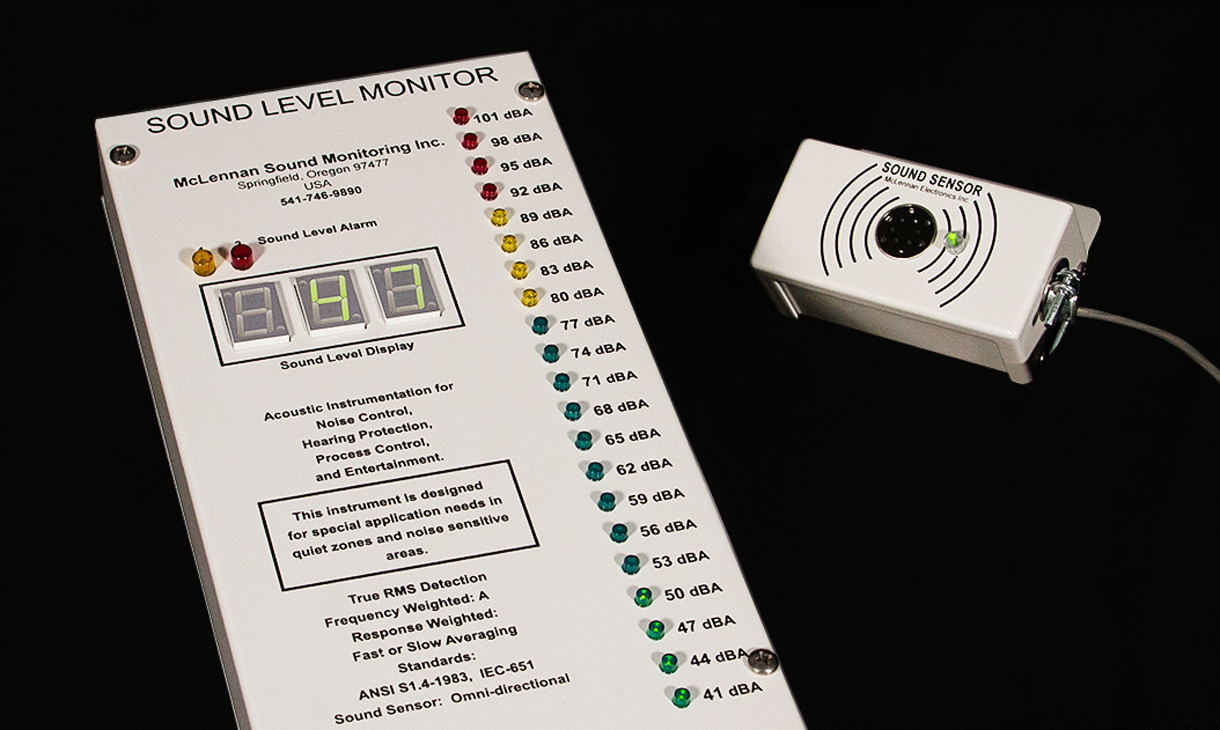
- Environmental Noise Monitors: These are more permanent installations used to continuously monitor sound levels in a specific area. They are particularly useful in environments where noise levels fluctuate significantly, providing real-time data that can be analyzed to implement effective noise reduction strategies.
By utilizing these devices, organizations can create a comprehensive sound monitoring strategy that not only ensures compliance but also enhances workplace safety and employee well-being.
Features of the Type 2 Sound Level Meter
The type 2 sound level meter offered by McLennan is a vital tool in any noise management strategy. Known for its precision and ease of use, this device is essential for accurate sound measurement in various occupational settings. Let’s explore the key features that make the type 2 sound level meter an indispensable component of sound monitoring.
Firstly, the type 2 sound level meter is recognized for its high accuracy, ensuring reliable measurements that are crucial for compliance with occupational safety standards. This accuracy is achieved through advanced calibration, making it suitable for a wide range of applications, from industrial environments to office spaces.
Secondly, the meter is designed with user-friendliness in mind. With a clear interface and intuitive controls, it allows users to perform sound level measurements with minimal training. This ensures that organizations can quickly deploy the device and begin monitoring noise levels effectively.
Lastly, the type 2 sound level meter is versatile and portable, making it ideal for spot-checking noise levels in different areas of a facility. Its compact design allows for easy transport and use in various locations, enabling organizations to maintain consistent sound monitoring practices across their operations.
How to Measure Occupational Noise Exposure Effectively
Measuring occupational noise exposure is a critical component of workplace safety. It involves a systematic approach to identifying, evaluating, and controlling sound levels to protect employees from hearing damage. Here is a step-by-step guide on how to effectively measure occupational noise exposure using McLennan Sound Monitoring solutions.
- Identify Noise Hazards: Begin by identifying areas and processes that may pose a noise risk. This involves conducting a thorough assessment of the workplace to pinpoint sources of excessive noise.
- Use Appropriate Tools: Employ the right sound monitoring devices, such as type 2 sound level meters and dosimeters, to measure noise levels accurately. Ensure that the devices are calibrated and positioned correctly to capture accurate data.
- Analyze and Record Data: Once measurements are taken, analyze the data to determine the extent of noise exposure. Maintain detailed records of these measurements for compliance and future reference.
- Implement Control Measures: Based on the analysis, implement noise control measures to reduce exposure. This may include engineering controls, administrative controls, or providing personal protective equipment (PPE) to employees.
- Review and Adjust: Regularly review the effectiveness of noise control measures and make necessary adjustments. Continuous monitoring ensures that sound levels remain within safe limits and that any changes in the work environment are accounted for.
By following these steps, organizations can effectively manage occupational noise exposure, ensuring a safer and more productive workplace.
Benefits of Using McLennan Sound Monitoring Solutions

Image Source: McLennan Sound Monitoring
Implementing McLennan Sound Monitoring solutions in your organization can yield numerous benefits beyond compliance with safety regulations. These advantages contribute to a safer, more efficient, and more harmonious workplace environment.
One of the primary benefits is improved employee health and safety. By accurately monitoring and managing sound levels, we can prevent noise-induced hearing loss and other health issues associated with excessive noise exposure. This not only enhances employee well-being but also reduces absenteeism and medical costs related to hearing damage.
Another significant advantage is increased productivity. A quieter, well-managed sound environment minimizes distractions and enhances focus, leading to higher efficiency and better work output. Employees are more likely to perform at their best when they are not subjected to constant noise, thus improving overall organizational performance.
Additionally, using McLennan Sound Monitoring solutions demonstrates a commitment to corporate responsibility and employee welfare. It enhances the organization’s reputation as a safe and desirable workplace, which can aid in attracting and retaining top talent. This commitment to safety and well-being can also strengthen relationships with clients and stakeholders, showcasing the organization’s dedication to high standards of safety and quality.
Best Practices for Sound Management in the Workplace
Adopting best practices for sound management is essential for creating a safe and efficient work environment. Here are some strategies to ensure effective sound management using McLennan Sound Monitoring solutions.
- Regular Sound Audits: Conduct regular sound audits using McLennan devices to assess noise levels throughout the workplace. This helps in identifying potential problem areas and ensures that sound levels remain within safe limits.
- Employee Training: Educate employees on the importance of sound management and how to use personal protective equipment (PPE) effectively. Training sessions can also cover how to recognize and report noise hazards.
- Implement Noise Control Measures: Utilize engineering and administrative controls to reduce noise at the source. This may include installing sound barriers, using quieter machinery, or implementing work rotation schedules to minimize exposure.
- Continuous Monitoring and Feedback: Use McLennan’s real-time monitoring solutions to provide ongoing feedback on noise levels. This allows for quick adjustments and ensures that sound management practices are continuously optimized.
- Engage Stakeholders: Involve employees, management, and other stakeholders in developing and implementing sound management policies. Collaborative efforts can lead to more effective and sustainable solutions.
By integrating these best practices, organizations can enhance their sound management strategies, leading to a safer and more productive work environment.
Case Studies: Successful Implementation of McLennan Sound Monitoring
Real-world examples of successful implementation can provide valuable insights into the effectiveness of McLennan Sound Monitoring solutions. Here are a few case studies that highlight how organizations have benefited from these advanced sound management systems.
Case Study 1: Manufacturing Plant
A large manufacturing plant faced challenges with high noise levels due to heavy machinery. With help from sound monitors from McLennan Sound Monitoring, the plant was able to accurately measure noise levels and identify areas requiring intervention. The use of type 2 sound level meters allowed for precise data collection, leading to the installation of soundproofing materials and quieter machinery. As a result, the plant experienced a significant reduction in noise levels, improving employee safety and satisfaction.
Case Study 2: Construction Site
On a bustling construction site, workers were exposed to fluctuating noise levels from various equipment. McLennan’s dosimeters were deployed to monitor individual noise exposure throughout the day. This data helped the site managers implement effective noise control measures, such as rotating workers to different tasks and scheduling noisy activities during less critical times. These strategies led to a safer work environment and enhanced worker productivity.
Case Study 3: Corporate Office
In a corporate office setting, employees reported difficulties concentrating due to ambient noise. McLennan Sound Monitoring solutions were employed to assess the sound environment. The analysis revealed specific areas where noise levels were higher than acceptable. By addressing these issues through the installation of acoustic panels and implementing quiet zones, the office was able to create a more conducive work environment, resulting in increased employee focus and performance.
These case studies demonstrate the versatility and effectiveness of McLennan Sound Monitoring in diverse settings, highlighting the potential for improved safety and productivity.
Training and Resources for Effective Sound Monitoring
Proper training and access to resources are crucial for the effective implementation of sound monitoring solutions. McLennan offers a range of training programs and resources to ensure organizations can maximize the benefits of their sound monitoring systems.
Training Programs
- Device Operation Training: Comprehensive training on the operation and maintenance of McLennan sound monitoring devices ensures accurate data collection and analysis. This training is essential for employees responsible for conducting sound audits and managing noise control measures.
- Noise Hazard Awareness: Educating employees about noise hazards and the importance of sound management is critical. Training sessions can cover topics such as recognizing noise risks, using PPE correctly, and understanding the health implications of excessive noise exposure.
- Data Analysis and Reporting: Training on data analysis enables organizations to interpret sound monitoring data effectively. This includes understanding noise exposure reports, identifying trends, and making informed decisions about noise control measures.
Resources
- Guides and Manuals: Access to detailed guides and manuals for McLennan devices aids in troubleshooting and ensures optimal device performance.
- Online Webinars and Workshops: Regular webinars and workshops provide updates on the latest sound management techniques and technologies, helping organizations stay current with industry best practices.
- Technical Support: McLennan offers dedicated technical support to assist with any queries or issues related to sound monitoring equipment and their implementation.
By leveraging these training programs and resources, organizations can enhance their sound management capabilities, leading to a safer and more efficient workplace.
Conclusion: The Future of Sound Management with McLennan Sound Monitoring LLC
As we look to the future, the importance of sound management in ensuring workplace safety and efficiency cannot be overstated. With McLennan Sound Monitoring solutions, organizations are well-equipped to tackle the challenges of noise management in diverse settings. By leveraging advanced technology, comprehensive training, and best practices, McLennan empowers organizations to create safer, more productive environments for their employees.
The commitment to innovative sound monitoring not only safeguards employee health but also contributes to the overall success and sustainability of an organization. As industries continue to evolve, McLennan remains at the forefront, providing state-of-the-art solutions that adapt to changing noise management needs.
We invite you to explore how McLennan Sound Monitoring can enhance safety and productivity in your organization. Contact us today to learn more about our comprehensive sound management solutions and how they can be tailored to meet your specific needs.
Create a safer, more harmonious work environment with McLennan Sound Monitoring. Contact McLennan Sound Monitoring today to discover how to transform your workplace. Our team is ready to assist you in implementing effective sound management solutions tailored to your organization’s unique needs. Let’s prioritize safety and efficiency together.
Read more blog posts about McLennan Sound Monitoring, LLC and various topics related to sound monitoring here.