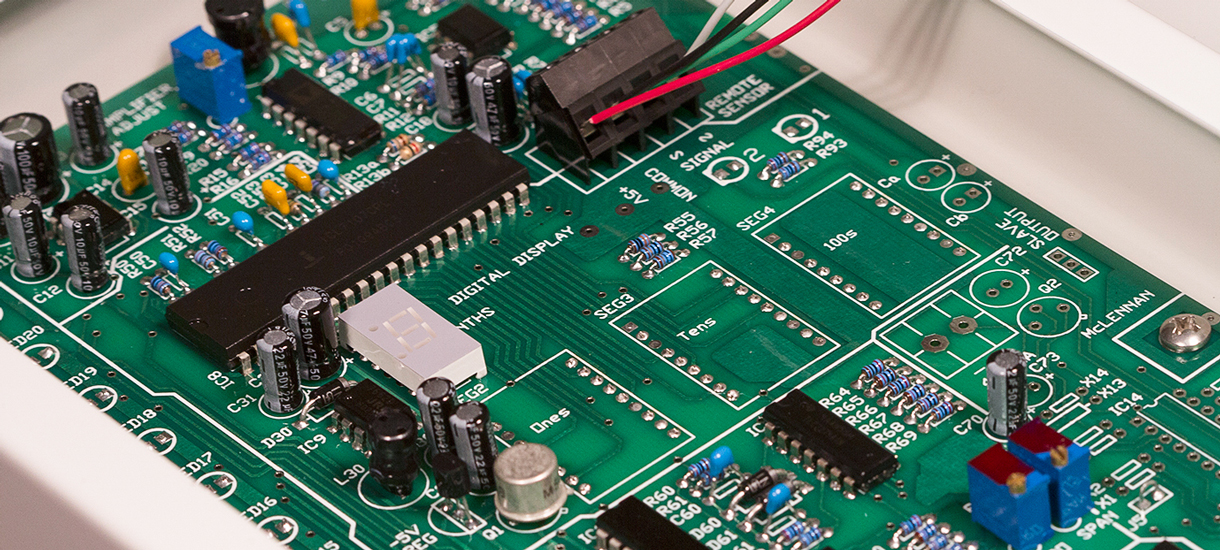
What are Noise Dosimeters?
In the modern workplace, safety is paramount, and one crucial aspect of ensuring a safe environment is managing sound exposure. Noise dosimeters can play an essential role in this process. These devices are designed to measure the sound levels employees are exposed to over a given period. By providing accurate data on noise exposure, dosimeters help us assess whether the levels are safe or require intervention.
Noise dosimeters are typically small, wearable devices that record sound levels in decibels (dB). They are worn by employees during their work shift to capture a comprehensive picture of their noise exposure. This data is crucial for industries where loud machinery or processes are involved, and it aids in maintaining compliance with occupational health and safety regulations.
Understanding how noise dosimeters function and their applications can significantly contribute to creating a safer workplace. By monitoring sound levels effectively, we can prevent hearing loss and other sound-related health issues, ensuring the well-being of employees.
Importance of Measuring Workplace Sound Levels
Monitoring sound levels in the workplace is vital for several reasons. First and foremost, excessive noise can lead to permanent hearing damage if not properly managed. Hearing loss is a common occupational hazard, particularly in industries such as manufacturing, construction, and aviation. By measuring sound exposure accurately, we can implement measures to mitigate risks and protect our workforce.
Secondly, noise can impact productivity and concentration. High sound levels can increase stress and fatigue, leading to decreased efficiency and higher error rates. By maintaining a controlled acoustic environment, we can enhance employee performance and overall job satisfaction.
Finally, adhering to occupational health standards is not just a legal requirement but a moral obligation. Regulatory bodies worldwide set limits on permissible noise levels to safeguard employee health. By utilizing noise dosimeters, we ensure compliance with these standards, avoiding potential legal issues and fines.
How Noise Dosimeters Work
Noise dosimeters are sophisticated devices that employ advanced technology to monitor sound exposure. They consist of a microphone that picks up ambient sound and converts it into an electrical signal. This signal is then processed to calculate the equivalent continuous sound level, or Leq, which represents the average sound level over a specified period.
One of the key components of noise dosimeters is the integrating sound level meter, which records fluctuations in sound intensity. The device captures peaks and troughs in sound levels, offering a comprehensive picture of the noise environment an employee is exposed to. This data can be downloaded and analyzed to assess compliance with safety standards and identify areas for improvement.
Modern noise dosimeters also feature data logging capabilities, allowing us to store and review sound level data over time. This historical data is invaluable for tracking trends and assessing the effectiveness of noise control measures. Additionally, many dosimeters are equipped with real-time alerts to notify employees when they are exposed to unsafe noise levels, enabling immediate corrective action.
Key Features of Noise Dosimeters
When selecting a noise dosimeter, understanding its features is crucial. Here are some key characteristics to consider:
- Accuracy and Precision: The primary function of a noise dosimeter is to provide accurate sound measurements. Look for devices with high precision levels, usually within ±1 dB, to ensure reliable data.
- Battery Life: Since noise dosimeters are worn throughout a work shift, they should have a long-lasting battery. Many modern devices offer rechargeable batteries with extended life, ensuring uninterrupted monitoring.
- Data Storage and Transfer: Effective noise dosimeters come with ample storage capacity and easy data transfer options. This feature allows for efficient archiving and analysis of sound level data.
- Durability and Comfort: As wearable devices, dosimeters should be lightweight and comfortable for prolonged use. They should also be robust enough to withstand the rigors of industrial environments.
By evaluating these features, we can choose a dosimeter that best fits our workplace requirements, ensuring accurate monitoring and compliance with safety standards.
Understanding McLennan Sound Monitoring Technology
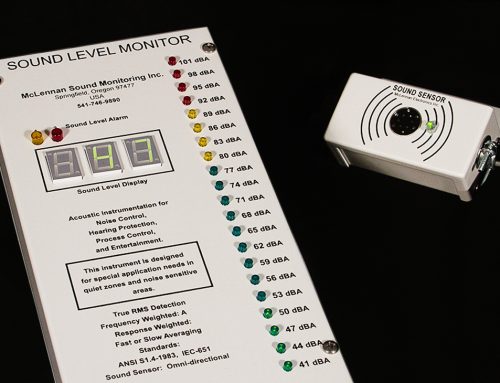
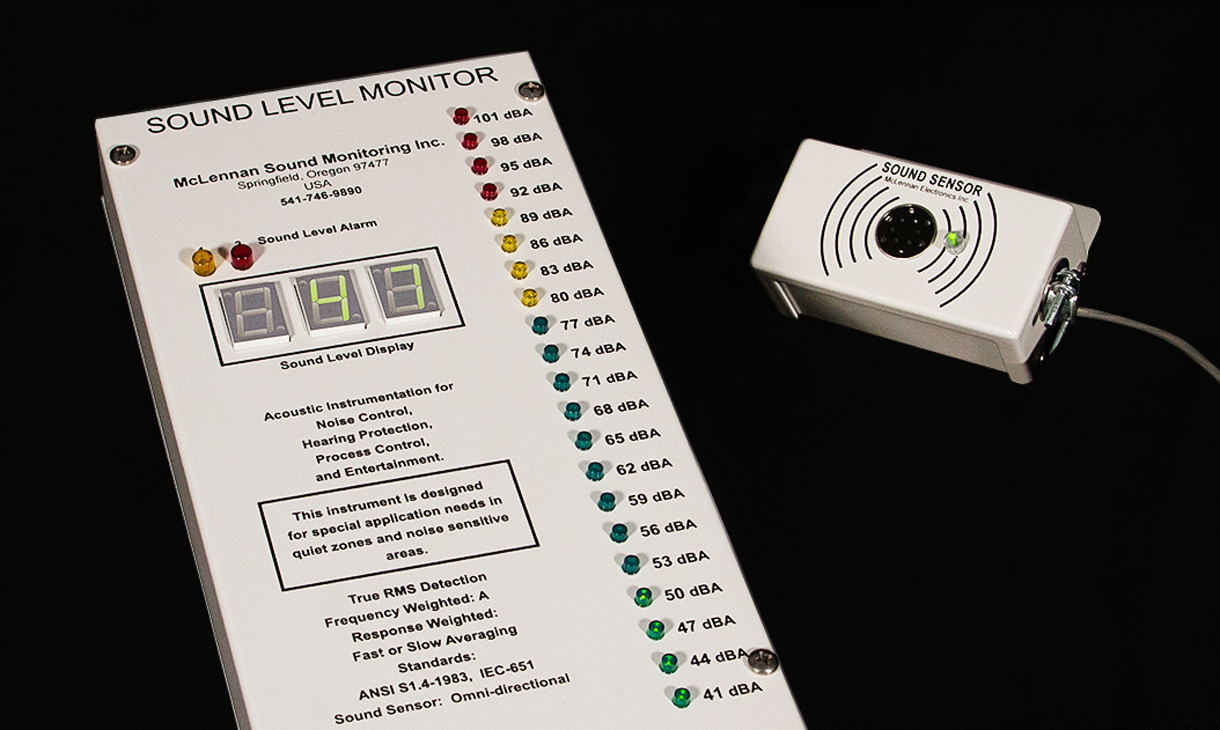
McLennan Sound monitoring technology represents a significant advancement in the field of noise measurement. Known for its precision and reliability, this technology is designed to deliver highly accurate sound level readings, making it a preferred choice for many industries.
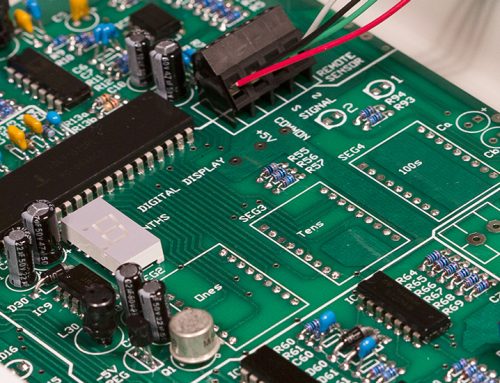
The core of Mclennan technology lies in its advanced sensors and signal processing capabilities. These sensors are adept at capturing a wide range of sound frequencies, ensuring that even low-level noises are accurately recorded. This comprehensive sound capture is essential for environments where noise levels can fluctuate significantly throughout the day.
Moreover, Mclennan technology integrates seamlessly with existing systems, providing real-time data that can be accessed remotely. This feature is particularly beneficial for large-scale operations, where manual data collection would be impractical. By utilizing Mclennan sound monitoring, we gain precise insights into our workplace’s acoustic environment, allowing for informed decision-making and enhanced safety measures.
Exploring the 4-20mA Sound Range
The 4-20mA sound range is a crucial aspect of noise dosimetry, particularly in industrial applications. This range refers to the standard electrical signal used by noise dosimeters to represent sound levels. The 4-20mA range is widely adopted due to its reliability and ease of integration with various monitoring and control systems.
In this range, 4mA typically represents the minimum sound level, while 20mA corresponds to the maximum. This linear relationship allows for straightforward interpretation of sound data. The advantage of the 4-20mA range is its compatibility with most industrial equipment, facilitating seamless integration into existing infrastructure.
By utilizing the 4-20mA sound range, we can achieve consistent and accurate monitoring of workplace noise levels. This standardization simplifies data analysis and ensures that sound exposure is kept within safe limits, protecting both employees and equipment from the adverse effects of excessive noise.
Applications of Noise Dosimeters in Various Industries
Noise dosimeters have a wide range of applications across different industries, each with unique sound monitoring needs. Here are some examples:
- Manufacturing: In factories, machinery can produce high noise levels that are hazardous to hearing. Dosimeters help track exposure and implement noise reduction strategies.
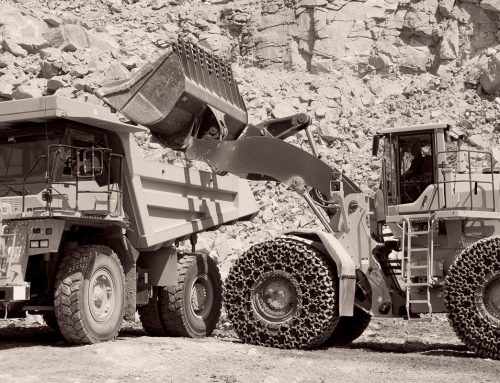
- Construction: Construction sites are notoriously noisy, with equipment such as drills and jackhammers. Monitoring sound levels ensures workers are not exposed to harmful noise.
- Aviation: Airports are environments with diverse sound sources, from aircraft engines to ground support vehicles. Dosimeters help manage exposure for ground crew and maintenance staff.
- Entertainment: In music and entertainment venues, sound levels can vary dramatically. Dosimeters assist in maintaining safe listening environments for both staff and patrons.
These examples illustrate the versatility and importance of noise dosimeters in ensuring workplace safety across various sectors. By tailoring monitoring solutions to specific industry needs, we can effectively manage noise exposure and enhance worker protection.
Selecting the Right Noise Dosimeter for Your Needs
Choosing the ideal noise dosimeter involves assessing your specific requirements and understanding the options available. Here are some factors to consider:
- Work Environment: Consider the typical noise levels and the nature of sound sources in your workplace. This will guide you in selecting a dosimeter with the appropriate range and features.
- Regulatory Compliance: Ensure the dosimeter meets relevant industry standards and regulations. This guarantees that your monitoring efforts are in line with legal requirements.
- Ease of Use: Look for user-friendly devices that are easy to operate and interpret. This ensures that employees can use them effectively without extensive training.
- Cost: While budget constraints are important, prioritize quality and reliability. Investing in a high-quality dosimeter can save costs in the long run by preventing workplace accidents and hearing loss.
By carefully evaluating these factors, we can select a noise dosimeter that not only meets our needs but also enhances workplace safety and compliance.
Best Practices for Using Noise Dosimeters
To maximize the effectiveness of noise dosimeters, it’s essential to follow best practices during their use. Here are some recommendations:
- Regular Calibration: Ensure dosimeters are regularly calibrated to maintain accuracy. Calibration checks should be part of your routine maintenance schedule.
- Proper Placement: Position dosimeters close to the worker’s ear level to accurately capture sound exposure. Incorrect placement can lead to misleading data.
- Comprehensive Training: Provide thorough training for employees on the proper use and handling of dosimeters. Understanding how to operate these devices ensures accurate data collection.
- Data Analysis: Regularly review and analyze sound level data to identify trends and areas needing improvement. Use this information to implement noise control measures.
By adhering to these best practices, we can ensure that noise dosimeters provide reliable data, helping us maintain a safe and healthy work environment.
Conclusion: Ensuring a Safer Workplace with Noise Monitoring
Noise dosimeters are indispensable tools for maintaining safe sound levels in the workplace. By accurately measuring noise exposure, we can prevent hearing loss, improve productivity, and ensure compliance with health and safety regulations. These devices, particularly when incorporating advanced technologies like Mclennan sound monitoring and the 4-20mA range, provide reliable data that is essential for informed decision-making.
As we strive to create safer work environments, noise dosimeters play a crucial role in our safety toolkit. By selecting the right device and following best practices, we can protect our employees from the adverse effects of excessive noise, promoting a healthier and more productive workplace.
Call to Action: If you’re looking to enhance workplace safety through effective noise monitoring, consider investing in a reliable noise dosimeter today. Protect your employees and ensure compliance with industry standards by making sound monitoring a part of your safety strategy. Contact McLennan Sound Monitoring, LLC to learn more about our range of noise dosimeters and how they can benefit your organization. For more information regarding sound monitoring and occupational noise exposure, read our blog posts here and here.