c It is critical for us to understand what constitutes noise pollution in manufacturing to effectively address it. Noise pollution refers to unwanted or harmful sounds that disrupt the normal acoustic environment, and in factories, this can stem from various machines and processes.In a typical manufacturing facility, noise levels can vary significantly throughout the day, influenced by the types of machinery in operation and the specific processes being carried out. Continuous exposure to high noise levels can lead to hearing damage, stress, and decreased productivity among workers. Therefore, understanding the dynamics of noise within these environments is the first step toward mitigating its impact. Moreover, not all noise is created equal. Some sounds, such as those emitted by high-speed machines, might be constant, while others, like intermittent alarms, can be more jarring. Recognizing these differences is crucial in formulating effective strategies to control noise pollution.
The Impact of Noise Pollution on Workers and Production
The repercussions of noise pollution extend beyond mere auditory discomfort. For workers, prolonged exposure to high noise levels can lead to serious health issues such as hearing loss, increased stress, and even cardiovascular problems. It’s essential to recognize and address these risks to maintain a healthy workforce.
From a production standpoint, noise pollution can lead to inefficiencies and errors. Workers in noisy environments may struggle to communicate effectively, leading to misunderstandings and mistakes. This can result in increased downtime and reduced quality of the final products, ultimately affecting the bottom line.
Furthermore, a noisy workplace can contribute to a negative work atmosphere. Employees may feel overwhelmed or fatigued, leading to decreased job satisfaction and higher turnover rates. Addressing noise pollution is thus not just a matter of compliance, but an investment in the workforce and production quality.
Common Sources of Noise Pollution in Factories
Identifying the common sources of noise pollution in factories is a crucial step in tackling the issue. In many manufacturing facilities, noise emanates from heavy machinery, compressors, and conveyors. These machines often operate at high speeds and generate significant noise levels that can permeate the entire workspace.
Additionally, processes such as welding, cutting, and stamping can produce substantial noise. These activities, essential to manufacturing, often create sharp, loud noises that contribute to the overall noise level. Frequent exposure to such noise can be detrimental to workers’ health and disrupt the workflow.
It’s also important to consider auxiliary sources of noise, such as ventilation systems and alarms. While these elements serve important functions, they can add to the ambient noise level, making it crucial to manage their operation and placement effectively.
Legal Regulations and Standards for Noise Levels
Adhering to legal regulations and standards is fundamental in managing noise pollution in manufacturing environments. Various organizations, such as the Occupational Safety and Health Administration (OSHA) in the United States, have established permissible noise exposure limits to protect workers’ hearing and health.
These regulations typically specify maximum allowable noise levels and exposure durations. For instance, OSHA’s standard allows an exposure limit of 90 decibels (dB) for an 8-hour workday. Understanding and complying with these standards is essential for ensuring worker safety and avoiding legal repercussions.
Beyond national regulations, there are also international standards that manufacturing facilities might adhere to, such as those set by the International Organization for Standardization (ISO). These standards can provide additional frameworks for assessing and managing noise pollution effectively.
Effective Noise Pollution Mitigation Strategies
Mitigating noise pollution in manufacturing requires a multifaceted approach. One of the most effective strategies involves incorporating noise control measures right from the design phase of a facility. This includes selecting machinery and equipment that are designed to operate quietly.
Another key strategy is regular maintenance of machinery to ensure they operate efficiently and quietly. Worn-out parts or improper lubrication can lead to increased noise levels, so routine checks and servicing can mitigate this issue. Additionally, implementing sound barriers or enclosures around noisy equipment can significantly reduce noise levels.
Employee training is also critical. Workers should be educated about the risks of noise pollution and the importance of using hearing protection when necessary. By fostering a culture of awareness and responsibility, we can better manage noise pollution and protect our workforce.
Implementing Engineering Controls to Reduce Noise
Engineering controls are a cornerstone of effective noise pollution management. These controls involve modifying or replacing equipment to reduce noise emissions. For example, using quieter technology or upgrading existing machinery can lead to substantial noise reductions.
Installing acoustic panels or soundproofing materials within the facility is another effective engineering solution. These materials can absorb and dampen sound waves, preventing them from spreading throughout the workspace. Such modifications can create a more pleasant and safer environment for workers.
Additionally, isolating noisy equipment or processes in designated areas can help contain noise. By strategically placing machinery and using sound barriers, we can minimize the acoustic impact on the rest of the facility, ensuring that noise does not interfere with other operations.
Administrative Approaches for Managing Noise Levels
Administrative controls are vital in managing noise pollution effectively. These strategies focus on changing workplace practices and policies to reduce noise exposure. One approach is to schedule noisy operations during times when fewer workers are present, reducing overall exposure.
Rotating workers among different tasks can also help minimize individual exposure to noise. By ensuring that no single worker is exposed to loud environments for extended periods, we can better protect their hearing and overall health.
Furthermore, implementing a comprehensive hearing conservation program is essential. This program can include regular hearing tests, training sessions, and the provision of personal hearing protection. Such initiatives can empower employees to take an active role in protecting their hearing health.
The Role of Personal Protective Equipment (PPE) in Noise Reduction
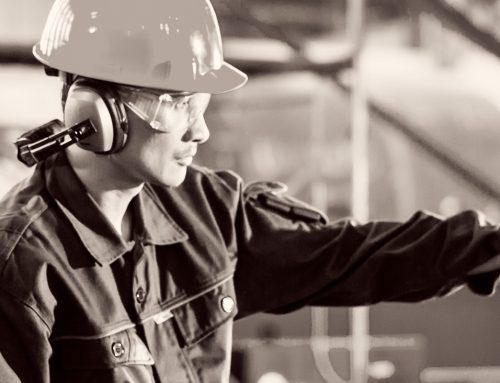
Personal Protective Equipment (PPE) plays a crucial role in safeguarding workers from noise pollution. Earplugs and earmuffs are common forms of PPE that can significantly reduce noise exposure. Providing these tools to workers is a straightforward yet effective strategy to protect their hearing.
It’s essential for workers to be trained in the correct use of PPE. Proper fit and usage are critical to ensuring maximum protection. Regularly inspecting and replacing PPE as needed can also ensure its effectiveness in reducing noise exposure.
While PPE is an important line of defense, it should not be the sole measure relied upon. Combining PPE with engineering and administrative controls creates a comprehensive approach to managing noise pollution. This holistic strategy ensures a safer and healthier work environment.
Benefits of Reducing Noise Pollution in Manufacturing
Reducing noise pollution in manufacturing facilities offers numerous benefits. First and foremost, it enhances the well-being and safety of workers. By creating a quieter work environment, we can decrease the risk of hearing loss and other health issues related to noise exposure.
From a business perspective, addressing noise pollution can lead to increased productivity. Workers in quieter environments are less likely to experience fatigue and stress, enabling them to perform their tasks more efficiently and accurately. This can improve overall production quality and reduce errors.
Moreover, a commitment to reducing noise pollution can enhance a company’s reputation. Demonstrating a proactive approach to worker safety and environmental responsibility can strengthen relationships with stakeholders, customers, and the community.
Conclusion: Creating a Quieter and Safer Work Environment
In conclusion, managing noise pollution in manufacturing facilities is a multifaceted challenge that requires strategic planning and implementation. By understanding the sources and impacts of noise, adhering to legal standards, and employing a combination of engineering, administrative, and personal protective measures, we can create a safer and more productive work environment.
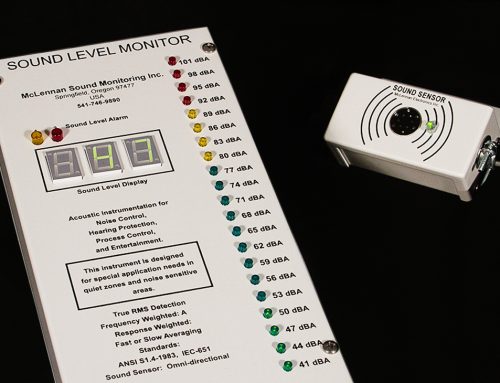
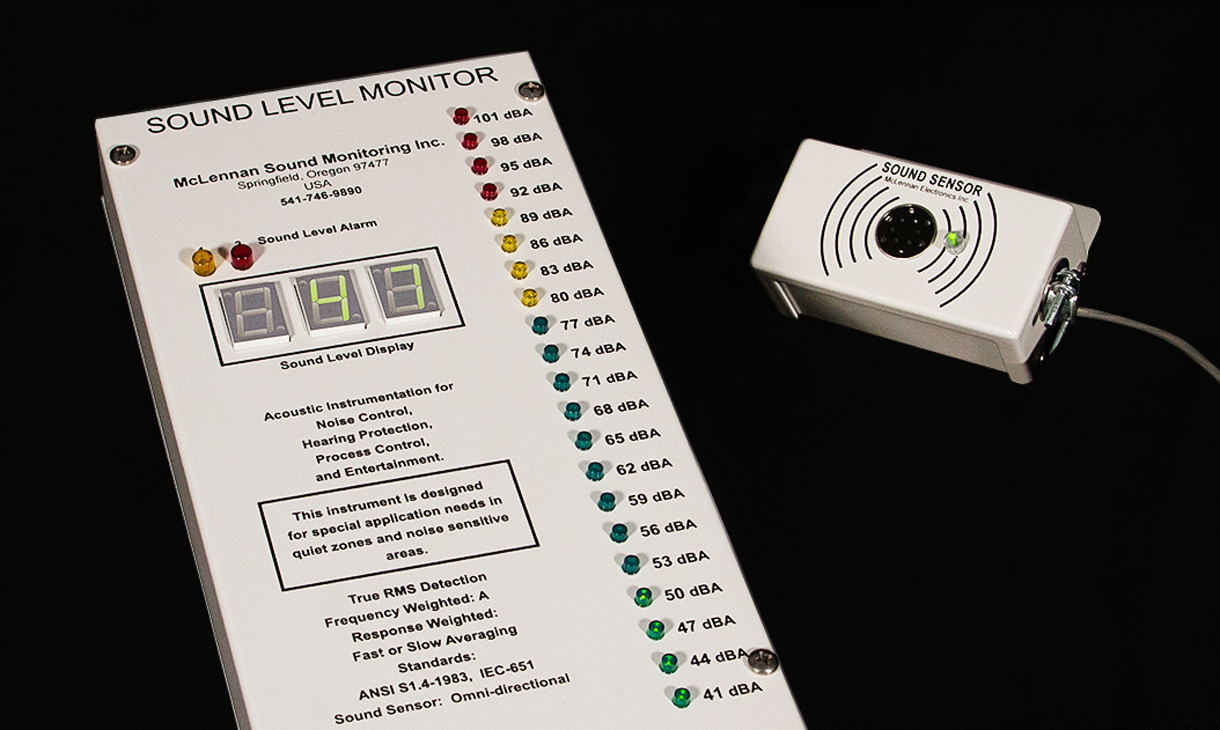
As we strive to reduce noise pollution, it’s important to remember that this effort benefits not only the workforce but also the overall efficiency and reputation of the facility. For those seeking expert guidance in this endeavor, I encourage you to contact McLennan Sound Monitoring for your sound monitoring solutions. Their expertise can be invaluable in achieving a quieter, more efficient, and compliant manufacturing operation.
For more information about occupational noise exposure, sound monitoring devices and related topics read our blog posts here.