Understanding Sound Monitoring: An Overview
Sound monitoring is a crucial aspect of managing and analyzing audio environments. It involves the systematic observation and analysis of sound levels, frequencies, and other acoustic parameters to ensure optimal audio quality and compliance with regulatory standards. Whether it’s in a bustling urban area, a serene countryside, or a manufacturing plant, sound monitoring plays a vital role in preserving auditory health and maintaining environmental harmony.
The necessity for sound monitoring has grown significantly with the increase in urbanization and industrialization. In essence, sound monitoring acts as a guardian, providing insights into noise pollution and helping to mitigate its impact on human health and wildlife. By understanding the nuances of sound monitoring, we can better appreciate its importance and the benefits it brings to various sectors.
Moreover, sound monitoring is not just about measuring noise levels. It encompasses a range of activities, including the identification of sound sources, assessing their impact, and implementing strategies to reduce or control noise. This comprehensive approach ensures that sound environments are not only measured but also managed effectively.
Importance of Sound Monitoring in Various Industries
Sound monitoring holds immense significance across multiple industries. In the construction sector, for instance, monitoring sound levels is crucial to ensure compliance with local noise regulations and to minimize disruption to nearby communities. By implementing effective sound monitoring practices, construction companies can avoid penalties and maintain good relationships with residents and businesses in the vicinity.
In the healthcare industry, sound monitoring is essential in creating a healing environment. Hospitals and clinics often face challenges with noise levels, which can affect patient recovery and staff efficiency. By employing sound monitoring devices, healthcare facilities can identify noise sources and implement measures to create a quieter, more conducive environment for healing.
The entertainment industry also relies heavily on sound monitoring to deliver high-quality audio experiences. Whether it’s a live concert, a movie theater, or a recording studio, maintaining optimal sound levels is critical. Sound monitoring devices help ensure that audio quality is preserved, enhancing the audience’s experience and maintaining the venue’s reputation.
Types of Sound Monitoring Devices
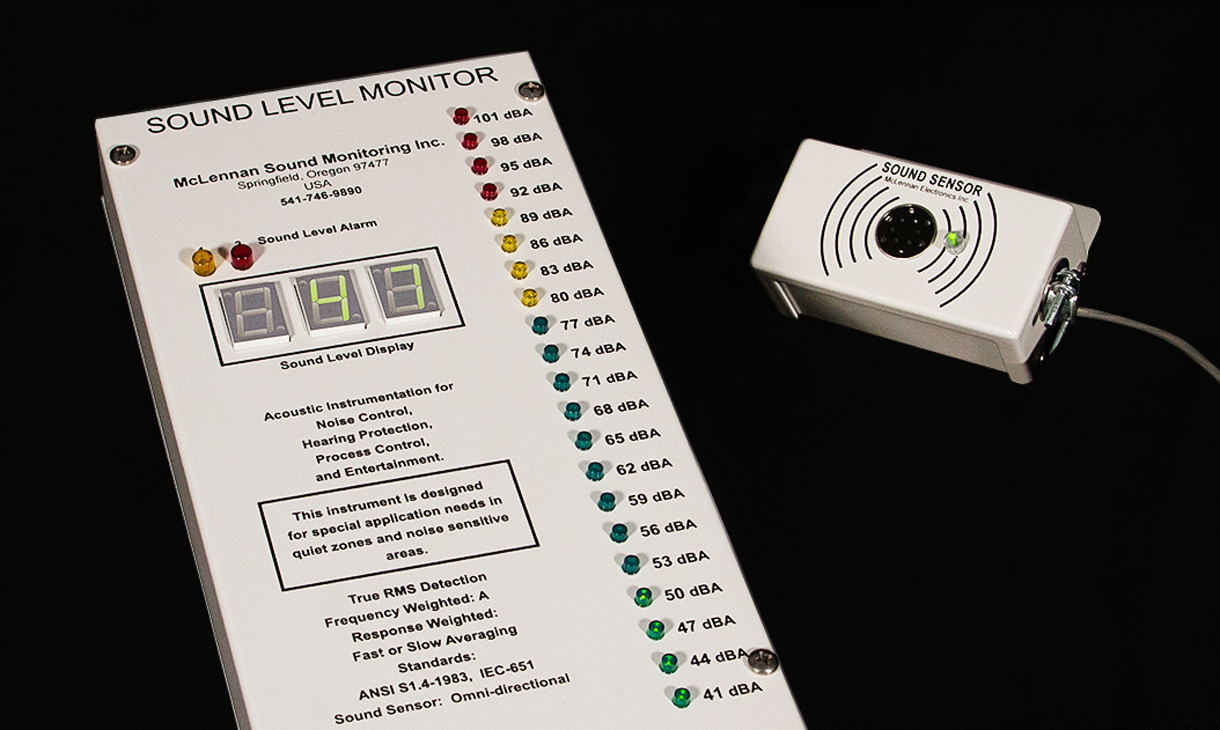
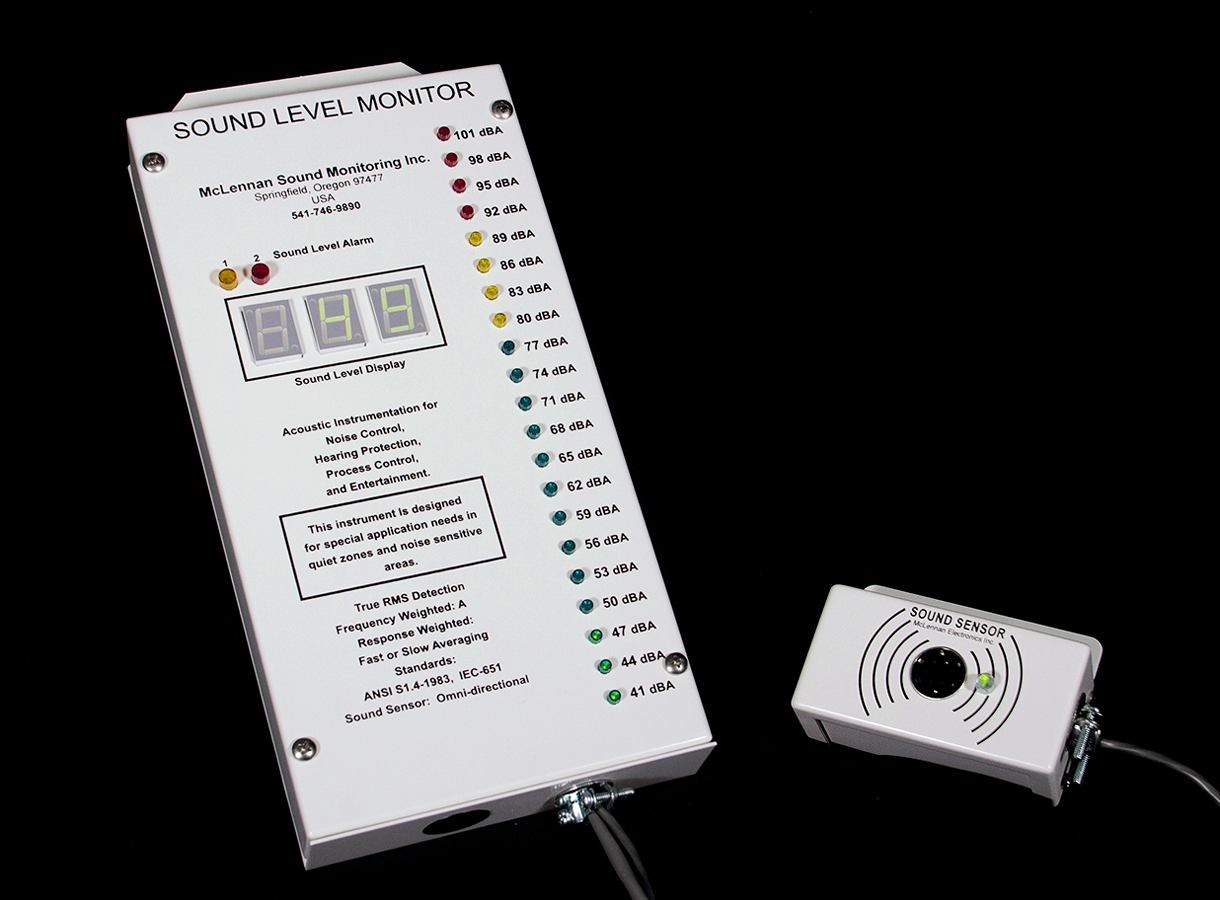
Sound monitoring devices come in various forms, each designed to meet specific needs and requirements. The most common types include:
- Sound Level Meters: These devices measure the intensity of sound in decibels (dB) and are widely used for general noise assessments.
- Dosimeters: Personal noise dosimeters are worn by individuals to measure their exposure to sound over time, crucial for occupational safety in noisy environments.
- Frequency Analyzers: These devices provide detailed information about the frequency content of a sound, helping identify specific noises and their sources.
Each of these devices serves a unique purpose, and selecting the right one depends on the specific application and the level of detail required. By understanding the capabilities and limitations of each type of device, we can make informed decisions about which tools to use for effective sound monitoring.
Key Features to Look for in Sound Monitoring Devices
When selecting a sound monitoring device, it’s essential to consider several key features to ensure it meets your needs. These features include:
- Accuracy and Precision: The device should provide reliable and precise measurements, crucial for compliance with regulations and accurate analysis.
- Ease of Use: User-friendly interfaces and straightforward operation are vital for efficient sound monitoring, especially in fast-paced environments.
- Portability: For fieldwork or situations requiring mobility, lightweight and portable devices are highly advantageous.
Additionally, the device should offer data logging capabilities, allowing for the collection and analysis of sound data over time. This feature is particularly important for long-term monitoring and identifying trends or patterns in sound levels.
Best Practices for Effective Sound Monitoring
To achieve effective sound monitoring, it’s important to adhere to several best practices. These practices ensure accurate measurements and meaningful insights:
- Regular Calibration: Ensure that sound monitoring devices are regularly calibrated to maintain accuracy and reliability.
- Strategic Placement: Position devices strategically to capture representative sound levels, considering factors such as proximity to sound sources and potential obstacles.
- Continuous Monitoring: For environments with fluctuating noise levels, continuous monitoring provides a comprehensive view of the sound landscape and helps identify peak noise periods.
By following these best practices, we can enhance the effectiveness of sound monitoring efforts and ensure that the data collected is both accurate and actionable.
Techniques for Accurate Sound Measurement
Accurate sound measurement is vital for effective sound monitoring. Several techniques can be employed to ensure precision:
- A-Weighting: This technique adjusts sound measurements to reflect the frequency sensitivity of human hearing, providing a more accurate representation of perceived loudness.
- Time-Weighted Averaging: By averaging sound levels over a specified time period, this method provides a more stable and representative measurement.
- Octave Band Analysis: This technique breaks down sound into its constituent frequencies, helping to identify specific noise sources and their impact.
Utilizing these techniques allows for a deeper understanding of sound environments and enables the development of targeted noise mitigation strategies.
Applications of Sound Monitoring in Everyday Life
Sound monitoring is not limited to industrial or commercial settings; it has numerous applications in everyday life. In urban planning, for instance, sound monitoring informs the design of quieter, more livable cities by identifying noise hotspots and guiding the implementation of noise reduction measures.
In educational environments, sound monitoring enhances learning experiences by ensuring that classrooms are conducive to listening and concentration. By addressing noise issues, schools can create environments that support both teaching and learning.
Furthermore, in residential areas, sound monitoring helps homeowners and communities address noise complaints and improve the overall quality of life. By understanding sound levels and their impact, residents can take proactive steps to create quieter, more peaceful living spaces.
Common Challenges in Sound Monitoring and How to Overcome Them
Despite its benefits, sound monitoring presents several challenges. One common issue is the variability of noise levels, which can fluctuate significantly over time. To address this, it’s important to employ continuous monitoring or conduct measurements at different times to capture a comprehensive picture of the sound environment.
Another challenge is the potential for interference from external factors, such as weather conditions or background noise. To mitigate this, sound monitoring devices should be positioned carefully, and measurements should be taken under consistent conditions whenever possible.
Data interpretation can also pose a challenge, as sound data often requires analysis to extract meaningful insights. Leveraging software tools and expert consultation can help overcome this hurdle and ensure that sound monitoring data is used effectively.
The Future of Sound Monitoring Technology
The future of sound monitoring technology holds exciting possibilities. Advances in sensor technology and artificial intelligence are paving the way for more sophisticated sound monitoring solutions. These innovations promise greater accuracy, real-time analysis, and enhanced automation, making sound monitoring more efficient and accessible.
Emerging technologies, such as the Internet of Things (IoT), are also set to revolutionize sound monitoring. By integrating sound monitoring devices with IoT networks, we can enable seamless data collection and analysis, providing actionable insights for noise management and control.
As these technologies continue to evolve, we can expect sound monitoring to become an even more integral part of managing sound environments, improving quality of life, and promoting sustainable development.
Conclusion: The Value of Effective Sound Monitoring
In conclusion, effective sound monitoring is essential for managing sound environments and ensuring compliance with noise regulations. By understanding the importance of sound monitoring, the types of devices available, and best practices for accurate measurement, we can harness the power of sound monitoring to create healthier, more harmonious environments.
As we look to the future, the continued evolution of sound monitoring technology promises exciting opportunities for innovation and improvement. By staying informed and embracing these advancements, we can ensure that sound monitoring remains a valuable tool in our efforts to manage sound and enhance quality of life.
For those seeking to implement sound monitoring solutions, I encourage you to explore the range of devices and technologies available. By investing in sound monitoring, you can take proactive steps to manage noise, protect auditory health, and contribute to a more sustainable and harmonious world.
Ready to explore sound monitoring devices for your needs? Don’t hesitate to reach out to professionals who can provide guidance and support in selecting the right tools for effective sound monitoring. Together, we can make a difference in our sound environments. Contact McLennan Sound Monitoring, LLC today.