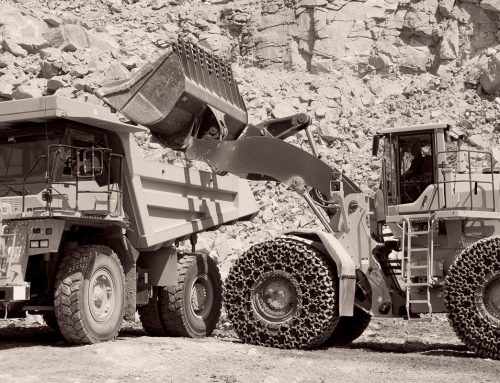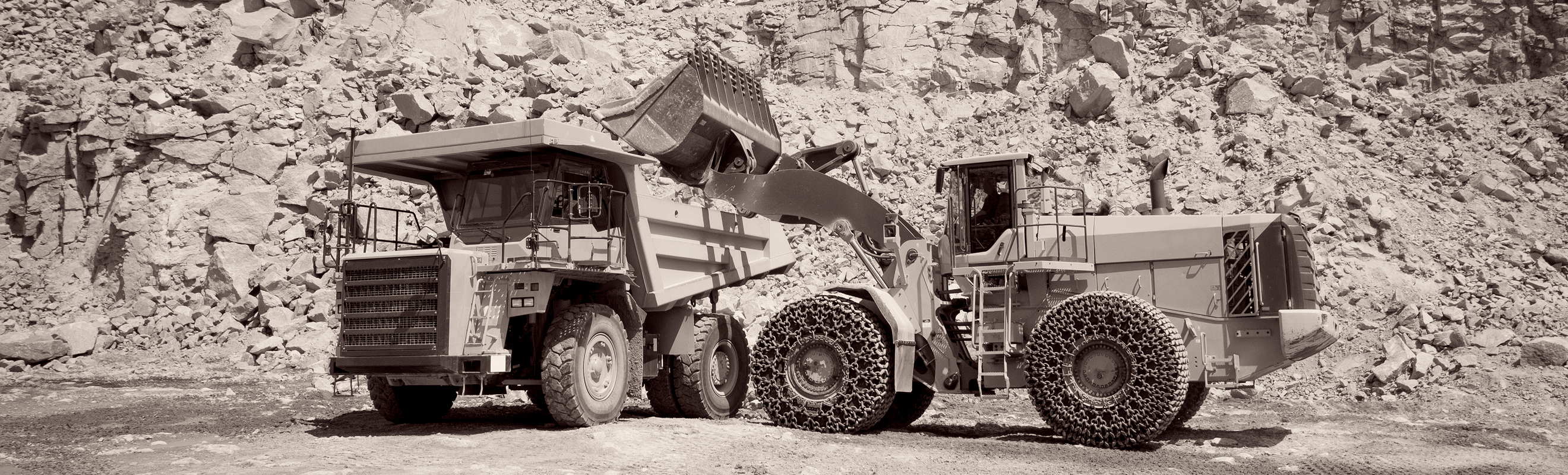
In the realm of mining operations, occupational noise exposure or pollution stands as a significant concern. As we delve into this topic, understanding noise pollution’s essence is pivotal. Noise pollution refers to unwanted or harmful sounds that disrupt the natural balance, affecting both human and environmental health. In mining operations, the cacophony of machinery, blasting, and transport vehicles contributes substantially to noise pollution, making its control a priority.
The Impact of Noise Pollution on Health and Environment
The adverse effects of noise pollution on health are well-documented. Prolonged exposure to high noise levels can lead to hearing loss, stress, sleep disturbances, and cardiovascular issues among mine workers. For communities living near mining sites, noise pollution can disrupt daily life, impacting communication, learning, and overall well-being. Thus, controlling noise pollution in mining is not only a matter of operational efficiency but also a public health imperative.
The environmental impacts of noise pollution are equally concerning. Wildlife, particularly birds and mammals, can experience altered behaviors, reduced reproductive success, and habitat displacement due to excessive noise. The disruption of natural soundscapes can have cascading effects on the ecosystem, affecting predator-prey dynamics and biodiversity. These environmental considerations emphasize the need for mining companies to adopt sustainable noise management practices.
In addressing these impacts, it is essential to implement effective strategies that minimize noise pollution at its source. By investing in noise reduction technologies and fostering a culture of awareness among workers and communities, mining operations can mitigate the health and environmental consequences of noise pollution, ensuring a harmonious coexistence with nature.
Sources of Noise Pollution in Mining
Identifying the primary sources of noise pollution in mining operations is a critical step toward effective noise management. The following are some of the most significant contributors:
- Heavy Machinery and Equipment: Excavators, drills, and crushers generate continuous noise, contributing significantly to the overall noise levels in a mining site.
- Blasting Activities: Explosions used in mining to break rock can produce sudden, high-decibel noise, impacting both workers and the environment.
- Transport Vehicles: Trucks and conveyors transporting materials within and outside the mining site add to the noise pollution.
Each of these sources requires tailored noise control measures. For instance, replacing outdated machinery with quieter, more efficient models can reduce noise levels significantly. Additionally, optimizing operational schedules to minimize night-time noise and implementing sound barriers can further mitigate noise pollution.
Understanding these sources allows us to develop targeted strategies that address the root causes of noise pollution in mining operations. By focusing on these areas, we can enhance the quality of life for workers and nearby residents while minimizing the environmental footprint of mining activities.
Effective Strategies for Controlling Noise Pollution in Mining
To effectively control noise pollution in mining, a multifaceted approach is necessary. This involves integrating engineering solutions, administrative controls, and personal protective equipment. Each component plays a vital role in reducing noise levels and protecting the health of workers and communities.
Engineering Controls
- Soundproofing and Insulation: Installing soundproof enclosures around noisy equipment can significantly reduce noise emissions.
- Equipment Maintenance: Regular maintenance ensures that machinery operates efficiently, preventing excess noise due to mechanical faults.
- Use of Advanced Technologies: Implementing noise reduction technologies, such as mufflers and silencers, can effectively lower noise levels.
Administrative Controls
- Noise Monitoring and Assessment: Conducting regular noise assessments helps identify areas with excessive noise levels, allowing for timely interventions.
- Operational Planning: Scheduling noisy activities during less sensitive times can mitigate the impact on nearby communities.
Personal Protective Equipment (PPE)
- Hearing Protection Devices: Providing workers with earplugs or earmuffs reduces their exposure to harmful noise levels.
By adopting these strategies, mining companies can create a safer working environment and foster positive relations with surrounding communities. Such proactive measures also demonstrate a commitment to sustainable mining practices.
Noise Reduction Technologies and Equipment
Advancements in technology have paved the way for innovative noise reduction solutions in mining operations. These technologies not only help in controlling noise pollution but also improve operational efficiency and worker safety.
Key Technologies and Equipment
- Acoustic Barriers and Enclosures: These structures are designed to absorb and block noise, effectively reducing its transmission.
- Quieter Machinery: Investing in modern machinery with built-in noise reduction features can significantly lower noise levels.
- Vibration Dampening: Equipment that minimizes vibrations also contributes to noise reduction, as vibrations are a common source of noise in mining operations.
The implementation of these technologies requires a comprehensive understanding of the mining environment and noise sources. Collaborating with experts in noise control can help mining companies choose the most suitable solutions for their specific needs, ensuring effective noise management.
Regulatory Framework and Compliance for Noise Control
Adhering to regulatory standards for noise control is essential for mining companies. These regulations are designed to protect workers, communities, and the environment from the adverse effects of noise pollution. Understanding and complying with these standards is a crucial aspect of responsible mining operations.
Key Regulatory Bodies and Standards
- Occupational Safety and Health Administration (OSHA): Sets permissible exposure limits for noise in the workplace to protect workers’ health.
- Environmental Protection Agencies (EPAs): Establish guidelines for community noise levels to prevent environmental harm.
- International Standards: Various international standards, such as ISO 1996, provide frameworks for noise measurement and control.
Compliance with these regulations requires regular noise assessments, reporting, and implementation of control measures. Mining companies must also stay abreast of changes in regulations to ensure continuous compliance and avoid potential legal and financial repercussions.
Best Practices for Mining Companies to Mitigate Noise Pollution
To effectively mitigate noise pollution, mining companies must adopt best practices that encompass technological, operational, and community engagement aspects. These practices not only enhance noise control but also contribute to sustainable mining operations.
Best Practices
- Comprehensive Noise Management Plans: Developing and implementing noise management plans tailored to each mining site ensures a systematic approach to noise control.
- Community Engagement: Involving local communities in noise management efforts fosters transparency and mutual understanding, reducing potential conflicts.
- Continuous Improvement: Regularly reviewing and updating noise control measures ensures they remain effective and aligned with technological advancements and regulatory changes.
By adopting these best practices, mining companies can create a harmonious balance between operational efficiency and environmental responsibility. Furthermore, engaging with communities and stakeholders builds trust and supports social license to operate.
Case Studies: Successful Noise Control in Mining Operations
Examining successful case studies provides valuable insights into effective noise control strategies in mining operations. These examples demonstrate how innovative solutions and collaborative efforts can lead to significant noise reduction and improved community relations.
Case Study Highlights
- XYZ Mining Company: Implemented advanced noise monitoring systems and soundproofing measures, resulting in a 30% reduction in noise complaints from nearby residents.
- ABC Minerals: Engaged with local communities to develop a noise management plan, incorporating feedback to optimize operational schedules and reduce nighttime noise.
- DEF Resources: Invested in state-of-the-art machinery with noise reduction features, leading to a 25% decrease in workplace noise levels and improved worker satisfaction.
These case studies illustrate the importance of a comprehensive approach to noise control, combining technology, community engagement, and continuous improvement. By learning from these examples, other mining companies can develop effective noise management strategies tailored to their unique challenges.
Community Engagement and Noise Pollution Management
Engaging with communities is a critical component of effective noise pollution management in mining operations. Open communication and collaboration with local stakeholders help build trust and ensure that noise control measures align with community needs and expectations.
Steps for Effective Community Engagement
- Transparent Communication: Regularly update communities on noise management efforts and progress to foster transparency and trust.
- Community Involvement: Involve community members in noise monitoring and decision-making processes to ensure their concerns are addressed.
- Feedback Mechanisms: Establish channels for community feedback and incorporate their input into noise management plans.
By prioritizing community engagement, mining companies can enhance their reputation, build positive relationships, and mitigate potential conflicts related to noise pollution. This collaborative approach ensures that noise control efforts are effective and sustainable.
Conclusion: The Future of Oucc in Mining
As we look to the future, the importance of controlling noise pollution in mining operations cannot be understated. Advancements in technology, combined with a commitment to sustainable practices, provide opportunities for significant progress in noise management. By embracing innovation, engaging with communities, and adhering to regulatory standards, mining companies can effectively mitigate noise pollution and contribute to a healthier environment.
In conclusion, it’s clear that controlling noise pollution in mining requires a comprehensive approach that integrates engineering solutions, regulatory compliance, and community engagement. As we continue to explore new technologies and strategies, the potential for creating quieter, more sustainable mining operations is within reach.
For those seeking sound monitoring solutions, I invite you to contact McLennan Sound Monitoring. For more information on sound monitoring, visit McLennan Sound Monitoring’s blog page here or here. Our expertise in noise control can help you achieve your noise management goals and ensure compliance with industry standards.